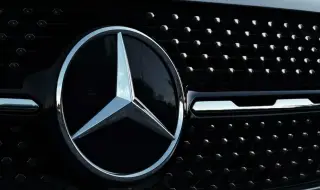
Premium giant Mercedes-Benz is facing the real, albeit absurd at first glance, danger of being forced to pack its bags and leave the US market. The reason for this apocalyptic scenario is not a lack of interest on the part of buyers, but a harsh anti-China bill that is currently making its way through the corridors of the US Congress. The trade war between Washington and Beijing is entering such a brutal phase that the ricochet from it could take away one of the most iconic German emblems.
The provocative legislative initiative, surprisingly backed by representatives of both major American parties, aims to erect an impenetrable wall against Chinese influence overseas. The new regulation provides for a complete ban on the import, production and sale of cars for any brand in which a company from a country defined as a "foreign adversary" of the United States has a direct or indirect stake. Well, China shines first on the blacklist. The restrictions are intended as an economic shield, but in practice they are on the way to cutting off the heads of brands that we traditionally perceive as one hundred percent European.
But where is the catch and why exactly did the three-pointed star end up in the firing line? The great paradox lies in the corporate structure of the German manufacturer, since the largest individual shareholder in Mercedes-Benz is precisely the Chinese state-owned conglomerate BAIC (formerly known as Beijing Automotive Industrial). This Asian connection, which for years brought huge dividends and stability to the Stuttgart concern, is now becoming a heavy millstone that threatens to drag it to the bottom of the American market.
The geopolitical tension between the two superpowers has long passed the boiling point, and according to those familiar with the situation, the situation has worsened further due to Washington's accusations that Beijing is quietly lending a hand and supporting Iran. Against the backdrop of these large-scale diplomatic sparks, American politicians seem ready for anything, even if the price is to drive out the favorite luxury brand of millions of Americans. If the law is adopted in its current form, the Germans will be faced with a brutal crossroads - either to urgently rearrange their share capital by buying back Chinese shares, or to say a very expensive "goodbye" to the New World.