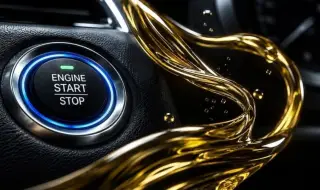
The function for automatic shutdown and start of the unit, known as "start-stop" has long ceased to be an extra, reserved only for the luxury segment. Today, this system is an indispensable part of the equipment of almost every new city model, regardless of whether it is powered by gasoline or diesel fuel. Its main task is extremely clear - stopping the working process at a red light or in a traffic jam, in order to reduce harmful emissions and reduce consumption.
However, behind this ecological picture lies serious mechanical stress. Instead of a single start at the beginning of the journey, the unit is subjected to dozens of stop-start cycles within a few hours. Each such moment critically loads the crankshaft, bearings, timing chain and turbocharger. That is why the choice of lubricants for such cars is no longer just a matter of viscosity compatibility, but of survival for the components themselves.
The mechanics behind the problem lie in the change of lubrication modes. With constant operation, a stable hydrodynamic film is formed between the metal elements, which prevents direct contact. However, stopping the circulation causes the fluid to drain, and upon subsequent restart, the system momentarily falls into a state of so-called mixed friction. Since this process is constantly repeated in urban conditions, wear on metal surfaces accelerates dramatically if the lubricant formula does not react quickly enough.
An additional complication comes from the fact that this function is most often coupled with turbochargers with a small working volume. When the power is suddenly turned off after dynamic driving, the circulation of the cooling fluid stops, and the accumulated high temperature in the turbine can lead to carbon deposits and coking of the residual oil. For this reason, the technology requires fluids with exceptional thermal stability, oxidation resistance and low ash content that meet the strict factory specifications for the specific model.
From a technical point of view, the optimal lubricants for engines with start-stop functionality usually rely on a tailor-made synthetic base with an extremely low viscosity grade such as SAE 0W-20 or 0W-30. These specifications ensure lightning-fast pumping and immediate coverage of the highest points in the cylinder head at the moment of restart. Additionally, these oils must meet the latest European specifications ACEA C5 and C6, which guarantee increased protection against premature ignition of the fuel mixture (LSPI) and protect the timing chain from microwear.
Their formulations are enriched with modern friction modifiers, such as organic molybdenum, and comply with the requirements for low sulfated ash, phosphorus and sulfur (Low SAPS) to fully preserve the functionality of particulate filters and selective catalysts in intensive urban driving.