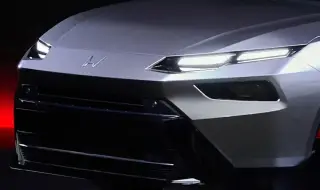
The Japanese technology giant Honda is taking a radical, unexpected step for its traditionalist policy. In order to reduce costs and speed up its production processes, the Tokyo-based company is entrusting the full cycle of creating a completely new automotive architecture to an external partner - the Indian engineering company Tata Technologies Ltd.
The history of the brand shows that Japanese engineers have always kept key developments tightly in their hands. For this reason, the precedent of giving up such a fundamental element marks a real turning point in the brand's industrial worldview. The Indian company, which is an autonomous division in the Tata Group structure, has a rich engineering resource, but should not be confused with the automaker Tata Motors.
The new architecture is being designed with exceptional flexibility. It is intended to serve as the backbone for a wide range of future models, while supporting classic internal combustion engines, self-charging and plug-in hybrids, as well as fully electric powertrains. Honda headquarters has remained completely silent about the specific segments and markets for which future cars are intended. From there, they limit themselves only to the dry confirmation that they are exploring external partnerships in order to increase their global competitiveness.
The reason for this sharp turn in strategy lies in the serious financial pressure that the manufacturer has been facing. At the end of its fiscal year in March, a net loss of 423.9 billion yen (approximately $ 2.8 billion) was reported. These negative results, which came mainly from the revaluation and restructuring of the electric vehicle division, necessitated the urgent activation of the "Triple Half" rescue plan. The strategy envisages a drastic halving of development costs, time and scope compared to previous standards.
Hiring the highly competent, but significantly cheaper engineering resource in India is a completely logical step towards achieving these strict financial goals. However, the question remains whether the ready-made platform will remain a local solution for emerging markets or will enter the global stage. Currently, Honda's market presence in India is seriously declining - from nearly 7 percent a decade ago to less than 2 percent today. That is why the partnership with Tata Technologies could turn out to be a double win: a powerful tool for regaining lost positions in the region and at the same time a fundamental rethinking of the global approach to creating new cars.