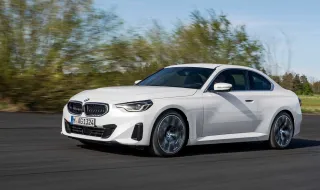
If you've ever tried to explain why an absolute avalanche of white cars is flooding modern roads and parking lots, the answer is far from being hidden only in pure design taste. Behind this mass trend are extremely pragmatic reasons, in which economics, physics and human psychology go hand in hand.
First of all, there are the purely thermal properties of color, which have a huge impact on comfort in everyday life. Every driver who has left a dark car under the summer sun knows very well what it feels like to enter a real furnace. However, the white color works as a natural shield, reflecting a large part of the sunlight and radiation, thanks to which the cabin remains significantly cooler, and the air conditioning system does not have to work at full speed from the first second.
From the point of view of factory production and financial logic, white is traditionally the basic color that manufacturers offer without increasing the cost. Avoiding complex pearl or metallic coatings speeds up assembly line processes and facilitates standardization. In addition, when it comes time to sell a used car, neutral colors are always in the most serious demand on the used car market, as they appeal to the widest range of potential buyers.
Last but not least, there is the issue of safety and visibility on the road. White cars are much easier to see than other road users at dusk, at night or in bad weather, and subtle pragmatism shows that small dust particles and light traces of wear on the paintwork are much less noticeable than on a deep black. Ultimately, choosing a white car may seem like a conservative decision, but it remains the most reasonable compromise between comfort, price and functionality.