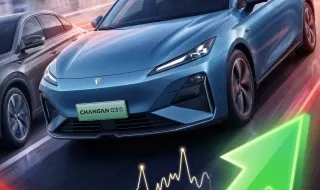
The global car market is facing a new price spike after the Ministry of Finance in Beijing decided to tighten tax policy towards its own auto industry. As of April 1, 2027, China is reducing the rate of value-added tax (VAT) refunds on exports of electric vehicles and plug-in hybrids from the current 13% to 9%. This measure applies to all global markets, including Europe, where Chinese manufacturers have so far relied on aggressive pricing policies to gain market share.
The change in the tax regime by 4 percentage points deprives Chinese exporters of the full tax refund they used to enjoy. The Beijing department argues its decision with the fact that international sales of green cars have accumulated sufficient own resources and no longer need such large-scale state support. Reason for this self-confidence is the statistics for the first nine months of 2026, during which Chinese exports of electric and hybrid models exceeded 4 million units, marking a record growth of 130% year-on-year. The main drivers behind this boom remain technology giants such as BYD and Geely.
The new regulations affect a wide range of vehicles - from passenger electric cars and plug-in hybrids to electric buses and tractors. At the same time, cars with conventional gasoline and diesel engines remain outside the scope of the restrictions and their manufacturers will continue to benefit from the full 13% tax refund.
Although the difference of four percent may seem insignificant at first glance, it will deal a serious financial blow to the companies' results. According to financial analyses, the margin of brands such as BYD, for example, could drop significantly. However, the most critical situation is faced by independent traders and alternative export intermediary companies, which operate at minimal margins and are threatened with bankruptcy. The situation for them is further complicated by strict domestic export regulations and the gradual abolition of tax breaks for local buyers in China itself.
But one thing is clear, the leading automobile concerns are unlikely to agree to absorb these losses at the expense of their own profitability and will almost certainly shift the tax burden to end consumers abroad. This means that from the spring of 2027, buyers of Chinese electric and hybrid models in Europe will have to prepare for higher final prices.