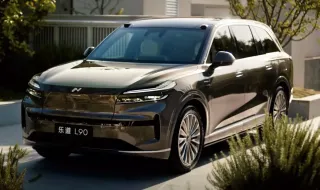
Germany is restricting access by certain connected vehicles to sensitive Bundeswehr facilities due to concerns related to their cameras, microphones and sensors. Internal lists that have been circulated name models from BYD, Nio and Geely, but Germany’s Ministry of Defence stresses that there is no general ban on vehicles from any particular country or manufacturer.
In practice, a service member arriving in a vehicle deemed a potential risk may be stopped before reaching the secured area. In such a case, the car must be left outside the facility, and the employee must continue on foot. The vehicle may be allowed to enter a car park located farther from the sensitive buildings.
German Ministry of Defence spokesman Mitko Mueller said at a government press conference on 11 November that decisions are made by the security officials responsible for the individual military facilities
“There is no general ban, but the Armed Forces have rules to ensure military security,” Mueller said.
According to him, the vulnerable areas and the ways in which they should be protected are assessed on site. Restrictions may be applied to any connected vehicle if its equipment creates a potential risk, regardless of the manufacturer and country of origin.
The assessment focuses on cameras, microphones, radar systems and ultrasonic sensors. They are usually used for parking systems, driver monitoring and driving assistance, but near military barracks they could collect information about the layout of buildings, the movement of personnel and military equipment.
Geely has a broader presence on the German market than vehicles bearing its own badge. The group is linked to Volvo, Polestar, Lynk & Co, Zeekr and Lotus, and together with Mercedes-Benz it is a co-owner of Smart. This means that the inspection of a particular vehicle depends on its systems and functions, not only on the logo on the bonnet.Restrictions on vehicles are separate from the already confirmed decision that the Bundeswehr will not use Chinese-made drones for future training and exercises. Existing devices will not be withdrawn from service immediately, but the use of German or other European models is planned going forward.
Similar concerns have already led to measures in other countries. Poland restricted access by Chinese vehicles to military facilities in February, while in October the US military banned private BYD vehicles from Kadena Air Base in Okinawa. In both cases, the focus was on the vehicles’ ability to record location, sound and images.