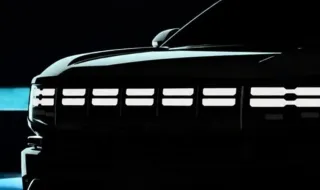
South Korean manufacturer KG Mobility has revealed the first official images of the third-generation Rexton, signalling a fundamental transformation of the model. The company, known on the market as SsangYong until a few years ago, is preparing a major technological and visual shift for its large SUV. For the first time in the model’s quarter-century history, it is expected to abandon its traditional body-on-frame construction and switch to a unibody structure, while also making its debut as a plug-in hybrid.
The second generation of the KGM Rexton rolled off the production line back in 2017, inheriting the classic body-on-frame architecture of the original model from 2001. Until now, this robust construction has also served as the basis for the related Musso pickup, but the paths of the two models are clearly diverging. While the cargo-carrying Musso will remain faithful to the tried-and-tested frame, the new Rexton PHEV will reportedly be based on the T2X platform of Chinese automotive group Chery. This move is a logical continuation of the previously signed strategic partnership agreement between the two companies for the joint development of vehicles.
The visual transformation is equally dramatic and leaves almost no trace of the predecessor’s familiar silhouette. The front is dominated by a massive bonnet, slim two-tier LED lights and a distinctive grille with five vertical slats and integrated lighting. This aggressive and angular style inevitably evokes associations with the latest SUVs from Jeep and the electric GMC Hummer EV.
The rear of the body, however, demonstrates a completely different design inspiration. The vertically positioned LED taillights, cleverly concealed turn signals and distinctive tailgate line strongly resemble Range Rover’s British luxury models, while a large Rexton inscription sits above the licence plate recess.
The introduction of a plug-in hybrid powertrain is a historic first for KGM’s flagship model. The brand’s headquarters are still keeping the exact technical specifications under wraps, including the power output of the petrol engine, the battery capacity and the all-electric driving range.
Trial assembly of pre-production KGM Rexton PHEV units began in October 2026, while test prototypes are undergoing intensive road testing. More technical details will become clear in December, while the market launch in South Korea is scheduled for January 2027. By contrast, the new Rexton will not enter the market in the United States, where strict regulations and restrictions targeting vehicles with Chinese components and technologies have proved to be an insurmountable obstacle, but it will come to Europe and most likely to Bulgaria as well.