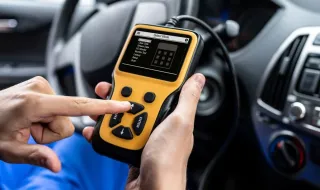
The high-voltage battery is not the most common problem with used hybrids. This is shown by an analysis by Carly, based on data from diagnostic apps and OBD2 devices in the UK between January and September 2026. The study included hybrids manufactured up to 2022, including conventional HEVs, plug-in hybrid PHEVs and mild-hybrid MHEVs.
Fault codes related to the high-voltage battery or its management system were recorded in around 7% of the vehicles analysed. More common were problems with exterior lighting – 15%, the low-voltage electrical system – 13%, and Bluetooth connectivity – 12%.
The results show that the 12-volt system, which powers a large proportion of the vehicle’s electrical and electronic devices, generated more fault codes than the high-voltage system associated with the electric drivetrain. This does not automatically mean there is a serious fault. A diagnostic code is a signal that an inspection is required, not proof that a particular component has definitively failed.
The difference between newer and older vehicles is significant. Among hybrids manufactured in 2022, Carly detected high-voltage battery fault codes in 3% of vehicles. For 2016 models, the share reached 16%.
This does not mean that every hybrid around ten years old has a faulty battery. However, the data shows that age is a factor buyers should take into account, especially when the vehicle has high mileage. Carly warns: “Electronic diagnostics alone cannot establish the actual capacity the battery has retained, nor determine how much longer it will last.” A specialised inspection of the high-voltage system is required for that.
At least one fault code was recorded in 71% of the hybrids in the analysis. Among petrol cars, the share was 80%, while among diesels it was 88%. These figures do not prove, however, that hybrids are more reliable. The hybrids in the sample were, on average, newer, which may have influenced the result.
The issue is becoming increasingly important for used-car buyers. According to the Society of Motor Manufacturers and Traders in the UK, 135,204 used hybrids changed hands in the third quarter of 2026 – 25.9% more than in the same period of the previous year. Their share reached 6.7% of the used-car market.
The practical conclusion from the analysis is that fear of the battery should not automatically rule a used hybrid out of consideration. However, the purchase should not be based solely on a standard reading of the fault codes. With an older vehicle, a comprehensive diagnostic check, a mechanical inspection and a specialised high-voltage battery test are required.