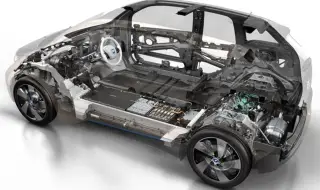
Sources at the company reveal that BMW is actively exploring the possibility of integrating range extenders into its electric vehicles. The move represents a significant change in strategy for the Bavarian automaker, which years ago discontinued such an option for the i3 model. The decision comes in response to growing market needs and evolving consumer preferences, especially in key markets such as China.
The renewed interest in range extension technology is driven by the desire to reduce "range anxiety" among electric car buyers. As battery technologies advance, range extenders offer a practical solution that provides additional mileage when the battery is depleted without having to rely solely on an expanded charging infrastructure. This strategy could strengthen BMW's position in the competitive electric car market.
The range extender functions as a small internal combustion engine that does not directly drive the wheels, but works as a generator to recharge the battery. This allows the use of smaller and lighter batteries, which leads to a reduction in the cost and weight of the car. The system offers advantages such as a longer overall range and flexibility, especially on longer trips or in areas with limited charging infrastructure.
According to information from automobilwoche, BMW is already testing a corresponding drive system in the iX5, which is expected to provide a range of up to 1,000 kilometers. The model, known internally as the iX5 REx, could be launched as early as 2026. In addition, the implementation of range extenders in other SUV models such as the X5, X3 and X7 is being discussed. BMW is partnering with suppliers such as ZF, which are developing new generations of electric range extenders (eRE and eRE+).
BMW has previously offered a range extender for its electric mobility pioneer – the BMW i3. This version was discontinued in the fall of 2018 due to the increasing range of all-electric models and the improving charging infrastructure. However, the current market context and the increased demand for extended-range hybrids, especially in Asia, are prompting BMW to reconsider this technology.
The return to range extenders demonstrates BMW’s adaptability to the dynamic electric vehicle market. The move could give the company a competitive advantage, especially in segments where range flexibility is a key factor for buyers. The new EREV models are expected to combine the efficiency of an electric drive with the practicality of fuel economy, offering consumers a wider choice.