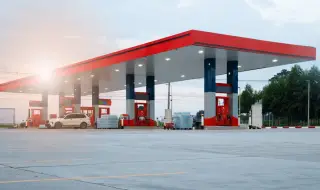
The first half of 2025 brought mixed signals for the fuel market in Bulgaria, with preliminary data showing a nuanced picture of gas station consumption. Analyses based on data from the National Statistical Institute (NSI) and industry sources indicate a slight decrease in the total quantities of fuels sold, but with some differences between the individual types.
Trends in main fuels:
Gasoline: Gasoline sales continue their downward trend observed in recent years. For the period January-June 2025, a decrease of about 3-5% was reported compared to the same period of the previous year. This decline can be attributed to several factors, including the ongoing renewal of the fleet with more fuel-efficient and electric vehicles, as well as the potential reduction of private car trips in favor of public transport or shared travel.
Diesel: The situation for diesel is more stable, but also shows a slight decrease. The data indicate a decrease of approximately 1-2%. Diesel fuel is mainly used for freight transport, agriculture and a large part of public transport, which makes it more resistant to a sharp decline. The general economic situation and the activity of these sectors have an impact here.
Liquid Petroleum Gas (LPG): LPG sales recorded a minimal decrease or stagnation, within +/- 1%. Although LPG remains a more economical option for many drivers, the declining number of new installations and increased competition from electric vehicles are likely to limit its growth.
CNG (Compressed Natural Gas): CNG continues to have a low market share in overall consumption, but is experiencing relative stability or slight growth in certain regions related to urban fleets and specialized transport. Accurate data is more difficult to summarize due to the smaller number of stations.
Main reasons for the observed trends:
Inflation and purchasing power: Although fuel prices in Bulgaria remained relatively stable in the first half of the year, overall inflation and the declining purchasing power of households are having an impact on discretionary travel.
Development of electromobility: The increased penetration of electric cars, although still with a small share, is gradually starting to have an impact on the consumption of traditional fuels.
"Work from home" and hybrid modes: The preservation of hybrid or fully remote working modes in some sectors also contributes to the reduction of daily trips and, accordingly – fuel consumption.
Car energy efficiency: New cars are more fuel-efficient, meaning less fuel is needed to cover the same distance.
Tariffs on Russian oil imports: Although Russian oil imports are gradually decreasing under sanctions and Bulgaria is looking for alternative sources, this has not led to sharp price shocks in the first half of 2025 that would cause drastic changes in consumption. The impact on prices and availability will be more visible in the second half of the year and in 2026.
Overall, fuel sales at gas stations in Bulgaria in the first half of 2025 show a slight downward trend, especially for gasoline. Diesel remains more resilient, while alternative fuels remain with a limited but stable market share. The fuel market remains dynamic and will continue to be influenced by economic conditions, environmental policies and technological developments in the automotive industry. The second half of the year is expected to provide a clearer picture of the overall trend.