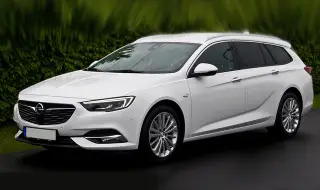
Many modern cars have technologies that provide better stability and traction, but some of them go unnoticed by drivers. The Opel Insignia is one of the models that offers a two-wheel drive system with torque distribution. It is much more than a standard four-wheel drive system and brings a significant improvement in the car's behavior.
Unlike conventional systems that simply send power to all wheels, this technology works more intelligently. It uses two clutches on the rear axle that allow precise torque distribution not only between the front and rear axles, but also between the left and right rear wheels.
This technology constantly monitors the vehicle's traction and behavior. When the system senses that one of the wheels is starting to lose traction, it automatically sends more torque to the wheel with better traction. This happens in a split second and is completely imperceptible to the driver.
The key advantage of this system is felt most when cornering. When going through a bend, it can send more power to the outside rear wheel, which helps the car to "turn" more easily into the bend. This results in more stable and precise steering, reducing the risk of understeer and improving road behavior.
Although this technology works quietly in the background, its effect on the stability and safety of the Opel Insignia is enormous. It allows the car to cope with poor road conditions such as snow, wet asphalt or gravel roads with ease, while providing a dynamic and engaging drive.
This system is a prime example of how modern automotive technology goes beyond its basic functions. It shows that even a family car can integrate complex engineering solutions that guarantee a higher level of safety and driving pleasure.