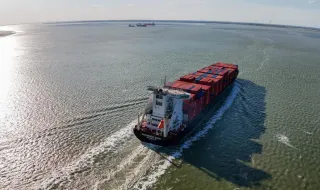
Captains of oil tankers receive up to $100,000 per month to pass through the Strait of Hormuz. A bonus of another $50,000 for each passage through the strategic waterway can be added to the amount, the Financial Times reports, citing people familiar with the tanker market and crews.
The extra pay is related to the increased risk for ships in the area, where missile and drone attacks have been recorded. The usual salary of a tanker captain is about $15,000 per month. Ordinary seamen, whose salaries start at around $1,500, earn four to six times more just for passing through the strait.
Transportation costs reach record levels
According to data cited by the Financial Times, the daily rate for transporting cargo through the Strait of Hormuz has reached around $1.3 million. A year earlier, it was between $20,000 and $50,000 per day.
War risk insurance has also risen significantly. Premiums amount to between 6 and 10 percent of the value of the ship's hull. For a supertanker, this can mean up to $20 million in insurance alone for a single trip to the Persian Gulf.
The price of fuel for supertankers in Fujairah has reached $686 per ton, up 67 percent from the same period last year.
Fewer and fewer ships are taking the risk
On October 4, 13 vessels passed through the strait, compared with 24 a week earlier. Before the conflict, about 135 ships passed through the Strait of Hormuz daily, carrying about a fifth of the world's oil and LNG supplies.
According to maritime security company Vanguard, there have been at least 14 attacks on ships in the area since September 20. Data from the International Maritime Organization, cited by the Financial Times, shows that since February 28, at least 93 vessels have been hit and 24 sailors have died.
Some of the tankers make repeated trips between terminals in the Persian Gulf and ships waiting off Fujairah in the Gulf of Oman. A typical supertanker can carry about 2 million barrels of oil and have a crew of up to 35.
“If they don't agree, they could lose their jobs. If they agree, they could lose their lives,” said Manoj Yadav, general secretary of the Indian Seamen's Union.He said some shipowners were offering significantly higher wages, but others were pressuring reluctant seafarers, warning them that they could be replaced or have their expenses deducted.