The Netherlands is preparing a National Food Security Crisis Plan, which should be completed next year. It will also include the role of supermarkets and distribution centers in the event of a power outage, internet outage or cyber incident.
“We are working on this as quickly as possible“, says Deputy Minister of Agriculture, Fisheries, Food Security and Nature Silvio Erkens. According to him, the government is talking to retail chains about creating emergency stocks of critical goods.
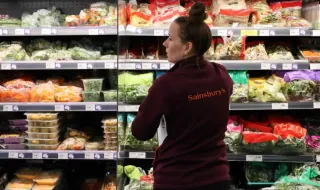
The issue has become more acute after the incident involving “Albert Hein“ - a chain run by “Ahold Delhaize“. The company shut down some of its digital systems, which led to disruptions in distribution centers, empty shelves and a halt to online orders. Regular deliveries to stores were restored on the fourth day, but home deliveries remained suspended until Tuesday.
The incident did not threaten food security, but it showed the vulnerability of a system built with minimal stockpiles and a high reliance on digital solutions. Currently, Dutch supermarkets and distribution centers are not required to maintain emergency stocks.
Two or three days' worth of stock
According to Erkens, existing distribution centers could be used to store reserves. However, this would mean compromising maximum logistics efficiency. "That way you will have goods for two or three days, which will always cover the initial risk," the deputy minister said.
The Central Food Trade Bureau warns that the shortage of storage space will make it difficult to quickly create reserves. According to its director Mark Jansen, the alternative is for the state to buy or build warehouses and negotiate logistics and distribution through stores or municipal centers.
Jansen sees the incident at “Albert Hein“ as a lesson in the need for a backup, more analog way of working. “You should not rely solely on digital systems,” he points out.
The emergency assortment is planned to be more limited than that in stores under normal conditions. The government is reviewing which products are critical. "It's not a national disaster if kiwis can't be delivered: there are other types of fruit," says Erkens. According to him, reserves should be in place if entire categories of essential goods are lost.
Recommendation for eight days of food at home
Researchers from the Clingendael Institute for International Affairs and Erasmus University have previously warned that the Netherlands is not sufficiently prepared for a serious food security crisis. They recommend that supermarkets maintain a dynamic emergency stock that is included in normal sales to prevent products from spoiling.
Researcher Pieter Zwan believes that households should have food for eight days, not just three. He admits that this is not possible for everyone due to lack of space or funds. In that case, supermarkets could distribute food in a coordinated manner in a real crisis.