Oil prices fell on Monday as investors began to take profits from last week's gains, and U.S. President Donald Trump's decision to exempt some Russian exports from sanctions and tariffs raised expectations for additional supplies.
Brent futures fell $1.45, or 1.32%, to $108.41 a barrel. U.S. light crude WTI fell 32 cents, or 0.32%, to $101.09 a barrel. “Brent“ ended the previous week at its highest level since May 19.
According to Reuters, the market movement is related to both technical profit-taking and expectations of how the conflicts in the Middle East and Ukraine will affect global demand and supply.
More Russian diesel on the market
On Friday, Trump signed an executive order temporarily exempting some Russian exports from US sanctions and tariffs. The decision followed an agreement between the US president and Russian President Vladimir Putin to export Russian diesel to the US and other countries.
Deliveries should start at about 2.3 million barrels per month and gradually reach approximately 7.6 million barrels per month. This could bring additional fuel to the market, limiting pressure on prices, although it remains unclear how and when the entire agreed scheme will be implemented.
US Secretary of State Marco Rubio said the administration would take up to 60 days to assess the impact of sanctions and tariffs on the global and US economy.
Strait of Hormuz remains a key risk
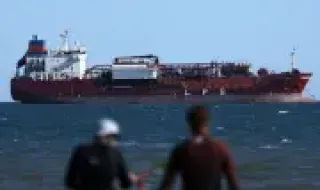
The decline in prices is limited by ongoing problems with oil transportation through the Strait of Hormuz. "Continued attacks on ships transiting the Strait of Hormuz and flows that remain below pre-conflict levels continue to support the market," said UBS analyst Giovanni Staunovo.
According to data from analyst firm Kpler, oil flows through the Persian Gulf have fallen to an average of about 8.5 million barrels per day last week, down from more than 20 million barrels per day the week before. There have been at least 10 confirmed incidents involving commercial vessels.
Phillip Nova analyst Priyanka Sachdeva described Trump's decision as an attempt to limit oil price increases ahead of the U.S. midterm elections. She said the measure does not address the physical disruptions to supplies through the Strait of Hormuz, where attacks on tankers continue.
Sources: reuters.com, au.investing.com, apnews.com