Kazakhstan plans large-scale development of nuclear energy, construction of new power plants and creation of a state strategic uranium reserve. The goal is for the country to overcome the electricity shortage and achieve a sustainable energy surplus by 2029. This was announced by President Kassam-Jomart Tokayev in his address to the people, dedicated to the economic development and strategic priorities of the state.
According to the head of state, energy security is becoming a determining factor for the competitiveness of national economies, especially against the backdrop of the accelerated development of digital technologies and artificial intelligence.
„In modern conditions, a decisive factor for the competitiveness of any country and even for its economic sovereignty is the provision of electricity. The realities that have arisen essentially represent the “era of electricity“,“ Tokayev said.
The president acknowledged that despite its significant natural resources, Kazakhstan continues to experience serious difficulties in the energy sector. During the winter months, the country is forced to buy electricity from neighboring countries at high prices, while in the summer it sells excess quantities significantly cheaper.
„Meanwhile, every year Kazakhstan's energy sector faces a serious shortage, and therefore in the winter, at the so-called peak times, electricity is purchased from neighboring countries at a high price, and then in the summer the same goods are returned at a sharply reduced value“, the head of state pointed out.
According to him, the annual electricity production in Kazakhstan reaches 123 billion kilowatt hours, but this amount is not enough for the needs of the developing economy.
„For a country with a developing industry, construction, agro-industrial complex and, above all, with a plan for the comprehensive digitalization of the economy and the implementation of artificial intelligence in all spheres of public life, and therefore for the construction of data processing centers, this volume of electricity produced is catastrophically insufficient“, Tokayev stressed.
To overcome the shortage, the president set a task for Kazakhstan to achieve a sustainable surplus of electricity by 2029. This must be done by building new capacities, modernizing existing power plants and power lines, developing renewable energy sources, and implementing technologies for cleaner electricity production from coal.
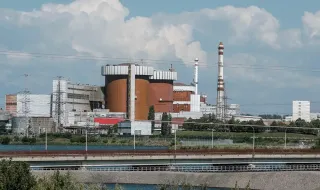
Nuclear energy occupies a special place in the country's energy strategy. After a national referendum, Kazakhstan intends to proceed with the construction of several nuclear power plants.
„Nuclear energy is of fundamental importance. "As a result of the nationwide referendum, the right decision was made to build nuclear power plants, and several at once," the president said.
Tokayev proposed starting the construction of the Balkhash NPP in 2027, as well as signing an agreement to accelerate the Moyenkum NPP project.
"I consider it possible and perhaps necessary to start the construction of the Balkhash NPP next year and sign an agreement on comprehensive cooperation with the aim of starting the construction of the Moyenkum NPP as soon as possible," the head of state said.
In parallel with the construction of new facilities, Kazakhstan intends to ensure long-term supplies of nuclear fuel. The President proposed the creation of a strategic uranium reserve to cover the needs of nuclear power plants for the next century.
“I believe that the proposal to create a state strategic uranium reserve that will allow covering the needs of Kazakhstan's nuclear power plants for the next century deserves serious consideration,“ Tokayev said.
According to him, foreign partners who will participate in the construction of nuclear power plants should also contribute to the creation of high-tech industries in the country, the transfer of technology and the training of local specialists. Such proposals have already been submitted by Russian and Chinese companies.
The President emphasized that all future agreements must be in line with Kazakhstan's national interests.
The government was also tasked with updating the country's unified long-term energy balance until 2035, taking into account the expected growth in industrial production, electrification and electricity consumption by data processing centers.
Kazakhstan's ambition is to turn its rich raw material base into a basis for long-term energy independence and technological development, overcoming dependence on electricity imports during periods of highest consumption.