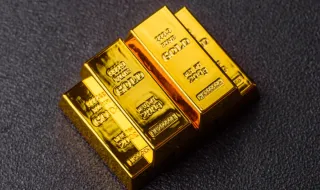
Russia's gold reserves fell by 6.2 metric tons in September to approximately 2,260 tons. This is their lowest level since the end of 2019, Ukraine's Foreign Intelligence Service reported. The decline is the tenth consecutive monthly.
Bank of Russia data cited by Interfax showed a closer value of about 2,264 tons, or 72.8 million troy ounces. The difference from the Ukrainian intelligence estimate is due to rounding of the numbers.
Since December 2025, physical reserves of monetary gold have decreased by about 62 tons, or 2.7%. Thus, Russia is gradually giving up part of the buffer accumulated in recent years, which served to protect the financial system from external restrictions.
The value of reserves is also shrinking due to market prices
The dollar value of monetary gold fell from $333.5 billion at the end of August to $301.6 billion in September. According to the Bank of Russia, the change is not only due to sales, but also to the revaluation of assets and fluctuations in international prices.
The total amount of Russian international reserves was $731.76 billion at the end of September, according to official data cited by Interfax. As of October 9, the estimate was $723.5 billion, or $45.5 billion, or 5.9%, less than at the beginning of September.
Moscow uses reserves to cover the deficit
Ukrainian intelligence associates the sale of gold with the growing budget deficit, declining revenues from oil and gas, and high state spending, including for the war against Ukraine.
“Revenues from oil and gas are declining, while state spending, especially for the war against Ukraine, remains high“, the Foreign Intelligence Service of Ukraine said in a statement.According to the service, the Russian Finance Ministry is selling foreign exchange and gold assets from the National Welfare Fund for rubles. The Central Bank then conducts domestic market operations using Chinese yuan and gold.
The sale of reserve assets allows Moscow to temporarily finance state spending without immediately increasing debt or cutting budget programs. At the same time, a significant portion of the Russian Central Bank’s foreign assets have been frozen since the 2022 sanctions, limiting the funds the government can quickly access.
Budget pressure looms
Ukraine’s Foreign Intelligence Service warns that if the deficit persists and the reserves are not restored, Russia may be forced to increase borrowing, raise taxes, or cut government spending.
At the same time, the sales do not mean that the entire volume of Russia’s international reserves is immediately available to the government. Some of the assets are blocked abroad, while the value of the rest changes according to gold prices, exchange rates, and market operations.