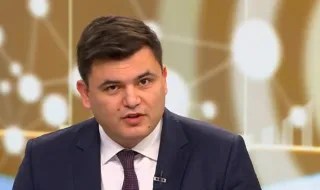
Expensive natural gas is further complicating the calculations for the budget, which is already facing a high planned deficit and rising public spending. This was stated by Lachezar Bogdanov, chief economist at the Institute for Market Economics, during the presentation of the organization’s alternative budget for 2027.
According to data presented by the IME, natural gas has become 200% more expensive year-on-year, while oil – by 80%. Bogdanov identified energy prices as one of the external risks facing the economy, alongside military conflicts, weakening public investment and a cooling labor market.
“The budget should be in surplus given this overheating of the economy, and when lending, wage growth and the labor market cool down, we should move from a surplus to a balanced budget. Instead, we are entering with an overheated economy and a huge deficit,” Bogdanov said.Against this backdrop, the Energy and Water Regulatory Commission approved a natural gas price of €58.43 per megawatt-hour in November. This represents an increase of 32.52% compared with October. The pricing mix includes quantities under the long-term agreement with Azerbaijan, liquefied natural gas and additional quantities from the Chiren gas storage facility.
Higher energy costs are putting pressure both on businesses and on public finances. The government announced that electricity and district heating prices for households would not be increased until July 1, 2027, while the impact of the rise in gas prices would be limited through the use of reserves from Chiren and funds from the Electricity System Security Fund. Households that heat their homes directly with natural gas will not receive similar protection and will bear the higher prices.
The Deficit Remains the Main Problem
According to the parameters submitted by the government to the European Commission, the 2027 budget is planned with a deficit of 4.3% of gross domestic product. Bogdanov warned that if the announced optimization in the public sector is not implemented, spending will continue to rise. The authorities will then face a choice between a larger deficit and further tax increases.
The IME’s alternative budget envisages limiting government spending to 38% of GDP and debt to 30% of GDP. Bogdanov insists that fiscal policy should take into account the possibility of slower economic growth, rather than relying on persistently high consumption, wage growth and lending.
The economist described the current model as “growth on borrowed money that cannot continue forever.” In his words, high energy prices can change budget revenues and expenditures, while decisions on compensation and maintaining regulated prices shift part of the risk to state funds and the budget.
Sources: epicenter.bg, bnrnews.bg, bta.bg