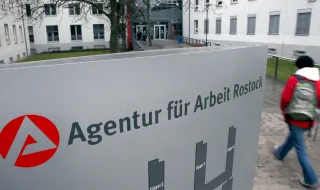
Germany’s labour market continues to feel the effects of the weak economic climate. The number of new vacancies registered with the Federal Employment Agency has fallen to its lowest level in 25 years, official data shows. In 2025, employers submitted a total of 1.461 million new job vacancies to the employment agencies and Jobcenter. This was 39,000 fewer than in 2024 and represented a historic low for the past 25 years.
The average number of active registered vacancies in 2025 was 632,000, down by 62,000, or around 9%, compared with the previous year. In 2024, their annual average stood at 694,000.
However, these figures do not cover all vacancies in the country. Employers in Germany are not required to submit every vacant position to the Federal Employment Agency, meaning that the official statistics represent only part of the actual demand for labour.
A broader survey by the Institute for Employment Research (IAB) shows that there were around 1.02 million vacancies in the German economy in the second quarter of 2026. This was around 130,000 fewer than in the previous quarter and 35,000 fewer year-on-year.
According to the IAB, excluding the lockdown period in 2020, demand for labour has not been this weak since 2016. Around 81% of the vacancies in the second quarter of 2026 were for immediate recruitment.
At the same time, the latest monthly data show some stabilisation. In October 2026, around 654,000 vacancies were registered with the Federal Employment Agency, approximately 31,000 more than a year earlier. However, newly submitted vacancies continued to decline – there were around 115,000 during the month, or 3.9% fewer year-on-year.
The data present a contradictory picture. Germany continues to face a shortage of skilled workers in a number of occupations, but companies as a whole are more cautious about creating new positions because of weak economic growth and uncertainty surrounding future demand.
In 2025, there were an average of 467 unemployed people for every 100 registered vacancies, compared with 402 a year earlier. At the same time, more than 80% of the advertised positions were aimed at skilled workers, while more than half of the unemployed were seeking positions involving unskilled labour. This shows that the problem in Germany’s labour market is not only the number of jobs, but also the mismatch between the skills sought and those available.