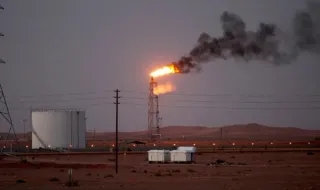
Oil prices remained almost unchanged in Asian trading as investors assessed the risks to supplies posed by ongoing attacks on ships and oil refineries in the Middle East.
Brent crude futures rose by 10 cents, or 0.11 percent, to $92.67 a barrel. U.S. WTI crude gained 16 cents, or 0.19 percent, to $83.57 a barrel.
Earlier in the session, Brent fell by $1 to $91.57 a barrel, while WTI hit an intraday low of $82.63. Trading remains range-bound following the decline in the previous week, when Brent lost 4 percent and U.S. crude – 5 percent.
Attacks on Ships and a Refinery
The war and reciprocal attacks in the region continue to support the geopolitical risk premium in crude prices despite diplomatic efforts to end the hostilities.
Yemen’s Houthis said they had attacked an oil refinery in Saudi Arabia. The United Kingdom Maritime Trade Operations agency also reported multiple attacks on ships in the Persian Gulf and near the Strait of Hormuz over the weekend.
The development is significant for oil markets, as any disruption to shipping through the area could hamper supplies and increase transportation and insurance costs.
Analyst Expects a Narrow Range
“The tense stalemate between the U.S. and Iran increasingly looks like the main scenario through the end of the year, but Trump could still change his position on the prospect of a resumption of hostilities,” said Vandana Hari, founder of oil market analysis firm “Vanda Insights.”
According to her, threats and heightened rhetoric from Washington and Tehran are likely to continue supporting a geopolitical risk premium in crude oil. Hari expects prices to remain broadly within a narrow range unless either side takes more concrete steps toward escalation.
Sources: bta.bg