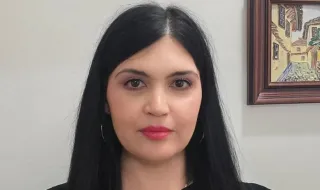
More and more people are successfully overcoming cancer and returning to their usual rhythm of life. But what comes after the end of therapy? According to modern international recommendations, patient care does not end with the last chemotherapy or radiotherapy, but continues throughout the entire recovery period. How to approach… Dr. Milena Kyoseva from the Department of Oncology in Pneumology at the Complex Oncology Center - Plovdiv speaks to FACTI.
- Dr. Kyoseva, what begins after the last therapy and why is recovery so important?
- After the end of active treatment, the recovery and follow-up period begins. The body needs time to adapt, and a person gradually returns to their usual rhythm. At this stage, not only medical care is important, but also movement, nutrition, sleep and mental health.
- How much movement is appropriate after cancer treatment?
- Physical activity should be tailored to the general health condition and the therapy performed. For many patients, daily walking is a good way to gradually get moving. It helps reduce fatigue and maintain a healthy weight. In certain cases, the load should be introduced more slowly and after consulting a doctor.
- Is there a diet that can actually be recommended?
- Balance is more important than a strict diet. A good choice is a varied menu with more vegetables, fruits, nuts and foods with a low glycemic index, as well as limiting red meat. The Mediterranean model is a suitable reference point. I do not recommend excluding entire food groups without a medical reason.
- Where is the line between reasonable care and dangerous extremes?
- The problem begins when nutritional supplements, vitamins or alternative methods are taken as a substitute for medical monitoring or without consulting a specialist. There is no one “miracle” food that will prevent relapse. Sustainable healthy habits and compliance with the recommendations of the treatment team are more important.
- When is fatigue expected and when should we seek medical attention?
- Fatigue is common after oncology therapy and can persist for some time. However, if it is strong, prolonged, worsening or accompanied by other complaints, it is necessary to discuss it with a doctor to determine the cause.
- What is the role of sleep and mental health?
- They are an important part of returning to a normal rhythm. Quality sleep supports the body, and emotional balance is important for everyday life and quality of life. In case of prolonged anxiety, depression or sleep disorders, it is wise to seek professional support.
- Can the fear of relapse interfere with normal life?
- Yes, such anxiety is understandable after experiencing cancer. A problem arises when fear begins to determine daily life, disrupt sleep or make a person constantly monitor for symptoms. Then the support of a psychologist can be very useful.
- When can patients return to cosmetic and aesthetic procedures?
- This depends on the specific procedure, the therapy performed and the general health condition. For example, microblading is not recommended during active chemotherapy. In the case of micropigmentation after mastectomy or reconstruction, it is also necessary to wait a certain period. Such interventions should be discussed in advance with the treating oncologist.
- What care for the skin, hair, scalp and oral cavity is often underestimated?
- Good skin hydration, sun protection and gentle hygiene are important. Regular dental examinations should not be missed, especially in people treated for diseases of the head and neck area. In case of prolonged or unusual changes, consultation with the relevant specialist is necessary.
- What can a person really do to reduce the risk of recurrence of the disease?
- The risk cannot be completely eliminated, but there are factors that a person can influence - regular exercise, balanced nutrition, healthy weight, enough sleep and adherence to a medical follow-up schedule. It is important to avoid extreme regimens and unproven methods.
- What are the five most important rules for the first months after treatment?
- Do not miss check-ups. Exercise should be regular and the load should increase gradually.
The diet should be varied and balanced. Pay attention to sleep and mental health. New supplements, regimens and procedures should be discussed with the attending physician.
- How is the balance found between health care and the constant expectation of relapse?
- The goal of follow-up is for a person to remain under the necessary medical supervision, without the disease defining their entire life. It is important to know their body and follow a control schedule, but at the same time gradually return to work, loved ones, interests and their usual daily routine.
Link to main version
Oct 9, 2026 09:00 79
Dr. Milena Kyoseva to FACTI: After cancer, one should return to life, not live in fear of relapse
Regular follow-up is important, but anxiety should not determine everyday life, says oncologist
Снимка: Личен архив