A minimum wage of 660 euros, a budget deficit of over 4% and a new state debt of nearly 6.5 billion euros. These are some of the parameters in the presented fiscal plan for 2027, which have sparked criticism from economists and unions.
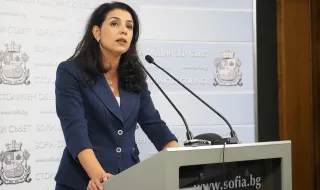
Are the planned measures sufficient and what risks does next year hold for Bulgarians' incomes? The topic was discussed in the studio of “This Morning“ on bTV, economist and municipal councilor in Sofia Vanya Grigorova and chief economist of the Institute for Market Economics Lachezar Bogdanov.
The two united around the need for more effective management of public funds, but expressed different positions on the amount of remuneration and the state of the state administration.
Vanya Grigorova described the planned increase in the minimum wage as insufficient.
“The increase that is planned is a little over 6%. If the generated inflation in 2026 is about 6%, do we think that this will help raise the living standards of workers? Obviously not“, she said.
According to her, the minimum wage should reach 690 euros, as the unions insist. According to Grigorova, the government could have offered at least 672 euros.
She emphasized that the document sent to Brussels represents a budget plan, not a final draft of the state budget.
Amid the dissatisfaction with the planned increase, the unions announced a protest in the center of Sofia. Among their demands are a higher minimum wage and a greater growth in income in the public sector than the set 5%.
„The increase is too low. And whether there will be a change depends on pressure“, Grigorova commented.
According to Lachezar Bogdanov, the government is trying to reduce the budget deficit, but the measures taken are not sufficient.
„Obviously this is an attempt to reduce the budget deficit, that is, the direction is right. In my opinion, the step is insufficient“, he pointed out.
According to his calculations, the deficit next year will remain above 4% of the gross domestic product, and the state debt will increase by nearly 6.5 billion euros.
The economist drew attention to the fact that the reduction of the deficit depends to a significant extent on the planned one-time tax on excess profits.
“This is not a sustainable change in tax collection. A one-time step“, Bogdanov emphasized.
Vanya Grigorova also defined the tax on excess profits as one of the few bolder measures in the plan. She indicated that the expected revenue from it is 800 million euros instead of the initially commented 1 billion euros.
The two economists entered into an argument about the possibilities for optimizing the state administration.
Lachezar Bogdanov insisted on structural reforms that would eliminate duplicate activities and accelerate the digitalization of public services.
According to him, layoffs should not be made mechanically, but after an analysis of the real need for employees.
“If you replace meaningless operations that are done with manual labor with electronic services, then you can lay off some people and increase the salaries of those who really do valuable work in the public sector, not by 5%, but by 25%“, Bogdanov said.
Vanya Grigorova objected to the claims that the administration is too large and employees receive high salaries salaries.
She gave the example of the "Healthcare" directorate in the Sofia Municipality, which, according to her, is currently left without a single lawyer.
“Why? Because the salary that the person who left last received was 1,080 euros. That's how high the salaries in the administration are“, pointed out Grigorova.
She warned that layoffs of the same percentage in all departments could leave key state structures without enough employees.