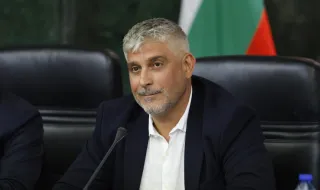
A large proportion of those who voted in the second round of the presidential election went to the polls to vote against Andrey Gyurov, rather than necessarily in support of Iliana Iotova. Psychologist Rosen Yordanov said this on the programme “Ofanziva s Lyubo Ognyanov” on NOVA NEWS.
Iliana Iotova won the runoff on November 1, 2026, and the Central Election Commission declared her elected president of the Republic of Bulgaria. According to Yordanov, the result cannot be explained solely by the work of the election campaign headquarters, party strategies and activity on social media.
“A large proportion of those who went to exercise their right to vote went to vote against him,” Rosen Yordanov said.Support for Gyurov Was Not Homogeneous
According to the psychologist, during the campaign the impression was created that Andrey Gyurov had a real chance of winning the election. He believes, however, that support from the other political formations did not increase dramatically and did not turn into a unified vote.
“A false impression was created that Mr Gyurov had a chance of winning. I do not think that support from the other parties increased dramatically,” Yordanov said. He described the support transferred to Gyurov as “non-homogeneous.”
According to the psychologist, some GERB voters supported Gyurov for ideological reasons. He pointed to Iliana Iotova’s actions and positions on issues related to Russia as a factor in this.
Comment on the Debate Between the Candidates
Yordanov also analysed the televised debate between Iliana Iotova and Andrey Gyurov. According to him, there was a noticeable difference between the two candidates in the time allotted for their answers.
“On Gyurov’s side, he kept getting more time, the host was extremely irritated, while Mrs Iotova did not have enough time,” the psychologist commented.He described the atmosphere in the studio as unusual and compared it to a conversation between people who had previously agreed on something, but one of them had failed to honour the agreement. According to him, it was precisely the reactions after the second round that revealed processes left outside the main political analyses.
Source: nova.bg