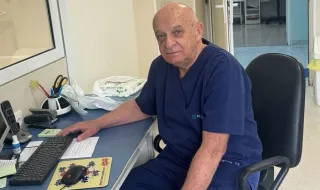
The National Cardiology Hospital is preparing for a new step in the development of modern medicine with the introduction of state-of-the-art angiographic equipment and the adoption of leadless pacemakers. On the technological revolution in the treatment of cardiac arrhythmias, the advantages of the new devices and the future of cardiac pacing… Dr. Ivaylo Kozhukharov, head of the Cardiac Pacing Department at the National Cardiology Hospital, spoke to FAKTI.
- Dr. Kozhukharov, medicine is developing at an extremely rapid pace. One of the most interesting innovations in cardiology is leadless pacemakers. What are these devices and how do they change patient treatment compared with traditional pacemakers?
- When I began my professional career in interventional cardiology 45 years ago, medicine looked completely different. Today, we have technologies that at the time would have seemed like pure science fiction. A traditional pacemaker is a computerized device with a battery that is usually implanted under the skin in the area below the collarbone. Special wires–leads–extend from it to the heart and deliver electrical impulses to maintain its proper rhythm. Leadless pacemakers are next-generation devices. They are miniature systems, approximately the size of a small bullet, which are implanted directly into the heart. They have no traditional leads and no subcutaneous generator. This is a significant technological change that provides a less invasive approach and avoids some of the problems associated with the traditional system.
- Which patients are most suitable for leadless pacemaker implantation? Can this technology gradually replace traditional devices?
- Leadless pacemakers are an important option in modern treatment, but it should not be assumed that they can replace all traditional systems. The choice of device depends on the specific heart rhythm disorder, the individual characteristics of the patient and the type of pacing required. Cardiac pacing offers various solutions–single-chamber, dual-chamber, multi-chamber and resynchronization systems. Each of them has its place in treatment. The most important thing is for the patient to receive the technology that best meets their medical needs.
- Leadless pacemakers do not have traditional leads or a subcutaneous generator. How is the implantation performed and how long does recovery take?
- This is one of the major changes in cardiac pacing. As I have already said, instead of implanting a generator under the skin and placing leads through the venous system, leadless devices use a miniature implant that is positioned directly in the heart. This eliminates the need for a surgical pocket and traditional leads. The patient has no visible bulge under the skin and does not carry the familiar system of wires. The procedure is significantly different from conventional implantation and represents an important step toward gentler treatment.
- One of the main advantages of this technology is the absence of a subcutaneous pocket and leads, which reduces the risk of infections. What does clinical experience show regarding the safety of these devices?
- With traditional pacemakers, some of the possible complications are specifically related to the leads and the subcutaneous pocket containing the generator. These elements are absent in leadless systems, and consequently some of the risks accompanying traditional technology are avoided. This is one of their most significant advantages. Of course, as with any invasive medical procedure, certain risks also exist here and must be assessed by the treating team. The proper selection of patients, the experience of the specialists and the capabilities of the medical equipment are important.
- It is often stated that the battery of leadless pacemakers can provide between 10 and 12 years of operation. What does this period depend on, and how does the patient know that the time for replacement is approaching?
- Modern devices have software-optimized batteries that allow for prolonged operation. With certain models, the service life can reach 10–12 years. This is a significant advantage for patients, as it ensures long-term operation of the device. But it is important to emphasize that regardless of the battery’s lifespan, the patient must be regularly monitored by a specialist. It is precisely through follow-up examinations that the device’s parameters are monitored and the necessary subsequent actions are planned in a timely manner.
- What happens when the battery runs out? Does the old pacemaker have to be removed from the heart, or can it remain there when a new device is implanted?
- When the end of the device’s service life approaches, the decision on the next steps is made after assessing the individual patient and the condition of the implant. This is another reason why regular follow-up is so important. With leadless systems, the question of replacement is different from that with traditional pacemakers. It must be determined whether the old device should be removed or whether it can remain in the heart while a new one is also implanted. This is an individual medical decision.
- You emphasize the importance of regular follow-up. How often should patients with a leadless pacemaker visit the specialized clinic?
- Follow-up is a mandatory part of treatment. In our practice, patients should visit the specialized clinic twice a year. This allows the device’s operation, its technical parameters and the patient’s condition to be monitored. It makes it possible to plan the necessary actions in time and avoid situations in which the patient is left without adequate cardiac pacing. The technology is extremely advanced, but it must be combined with continuous medical supervision.
- What is the place of leadless pacemakers in Bulgaria today? Do you already have sufficient clinical experience to assess the results in patients at the National Cardiology Hospital?
- The National Cardiology Hospital has longstanding traditions in cardiac pacing. This is the first cardiac pacing department in Bulgaria, and generations of specialists have passed through it, many of whom now work in different healthcare facilities across the country. For us, the development of medical technologies is a natural continuation of this history. Bulgarian electrophysiologists maintain active contacts with their colleagues abroad, participate in international forums, present scientific papers and exchange experience. This is how the same modern devices and medical practices used in leading European clinics are being introduced in Bulgaria. Leadless pacemakers are part of this change. It is important for patients to have access to modern technologies and for specialists to have the necessary training and equipment for their application.
- The National Cardiology Hospital is expecting the introduction of state-of-the-art angiographic equipment. What will the new C-arm change in the work of the Cardiac Pacing Department?
- This is an extremely important step for our hospital. The new C-arm, which is awaiting the necessary license, together with the completely renovated operating room, will significantly improve the conditions under which we perform implantations. First and foremost, the equipment will provide extremely high image resolution. This is essential because during these procedures we need to see the movement of the leads in the finest vessels and structures of the heart with maximum clarity. Furthermore, the new equipment will allow us to work more quickly and precisely. The time needed to monitor individual details during the intervention will be reduced, which will facilitate the work of the entire team. Last but not least, shorter operating times will lead to a significant reduction in radiation exposure for both patients and medical professionals.