Parliament will vote on the election of the 11 members of the Supreme Judicial Council from the parliamentary quota on Friday, November 20. The vote is the first item on the agenda, and 160 votes are needed to elect each candidate.
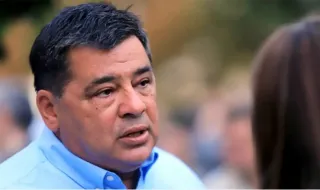
Velislav Velichkov, an MP from “We Continue the Change” and deputy chair of the Anti-Corruption Commission, told NOVA that according to parliamentary calculations, “Progressive Bulgaria”, “Democratic Bulgaria” and “We Continue the Change” have a total of 168 votes. He said MPs from “Revival” could also take part in the vote.
“We are much closer to electing a new Supreme Judicial Council,” Velichkov said, noting that the hearings of the candidates had lasted four days and a total of 38 hours.
20 candidates for 11 seats
Out of a total of 20 candidates, MPs must elect six members of the Judges’ College and five members of the Prosecutors’ College. According to Velichkov, the candidates’ personnel files played a key role in the discussions.
He said that “red lines” could be seen in some of them, and described as problematic cases involving magistrates who had developed their careers mainly through secondments and with the support of the same administrative heads.
Velichkov said the three parliamentary groups had 12 candidates whom they considered worthy, but that mutual compromises would be necessary to elect a full council. In his view, this would prevent the start of a new three-month procedural cycle and additional lobbying.
Expectations for the Prosecutor General
The MP insisted that the new council should not include candidates who would restore the status quo in the Prosecutors’ College, nor representatives of non-parliamentary circles included in the list of “Progressive Bulgaria”.
He said the current composition of the SJC had remained in office for nine years and two months despite having a five-year mandate. Velichkov stated that the new council should be “radically different” and operate without dependencies and compromising materials.
According to him, following the election of the professional quota, the influence of former prosecutors general in the Prosecutors’ College had been divided. Therefore, the parliamentary quota would play a decisive role in the election of a new prosecutor general for the first time in 15 years.
Velichkov described the possible replacement of the head of the Sofia City Prosecutor’s Office, Rusinova, as well as of other heads of key prosecution offices, as the first test for the new Prosecutors’ College.
“If a Supreme Judicial Council is elected in full and there is no dragging out of the procedures, I think that by Easter there should be both a new prosecutor general and a new chair of the Supreme Administrative Court,” Velislav Velichkov predicted.