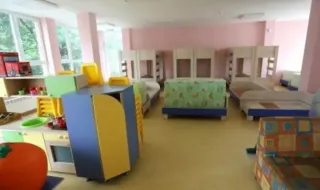
Kindergartens, schools and nurseries face higher electricity bills in 2027. The reason is that the draft budget for next year does not provide for the continuation of the existing special mechanism, which treated these institutions as household consumers.
The change also affects student dormitories, community centers and places of worship. Until now, the compensation has amounted to 80% of the difference between the market price and a set threshold.
“If this compensation is not available, the time will come when kindergartens will not be able to pay their bills,” said Tanya Kecheva, director of Sofia’s 91st Kindergarten, on NOVA NEWS.According to her, the budgets of kindergartens and schools are already limited across various spending categories. The additional increase in electricity costs would make it difficult for them to maintain normal operations.
General compensation to remain until June
Energy expert Anton Ivanov clarified that educational institutions will still receive support, but under the general mechanism for business consumers. It will operate until June 2027 and will include adjustments based on electricity price movements during the year.
“When the electricity price on the exchange exceeds €180 per megawatt-hour, they will receive an additional monthly compensation,” Ivanov explained.This means that compensation will not be scrapped completely, but the special conditions for schools, kindergartens, nurseries and the other affected institutions will not be retained in their current form.
Bills may remain significantly higher
According to Ivanov, the compensation will not prevent a substantial increase in costs. The wholesale electricity price exceeded €230 per megawatt-hour in October, and expectations are that another two or three winter months will be marked by high prices.
At such prices, institutions would pay around €180 per megawatt-hour instead of approximately €75 for household consumers. The difference is about 2.5 times.
Anton Ivanov believes that additional ways of providing support through social funds should be explored. In his words, the resources in the Electricity System Security Fund are insufficient to expand the support.
Sources: nova.bg