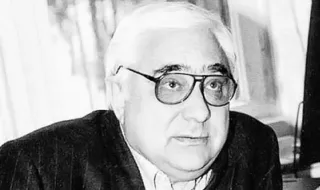
On November 29, 1990, Andrey Lukanov resigned as prime minister of Bulgaria. The decision came after days of a nationwide strike, student protests and pressure from political and trade union organizations, including Podkrepa Confederation.
Podkrepa Confederation announced its readiness to strike on November 19, demanding the government's resignation. The union set a deadline of November 26, after which a general political strike would begin. Students, employees of Bulgarian Television and the Bulgarian News Agency, as well as other labor collectives, joined the protests.
The Strike Began After a Vote of Confidence
On November 23, the Grand National Assembly held a vote of confidence in Lukanov. The motion passed in a secret ballot, but it did not end the protests. On November 26, the general political strike announced by Podkrepa Confederation began.
In a declaration distributed during the strike, the strike committee at Bulgarian Television stated that the demands were directed against the government, which, according to the participants, “was unable to lead it.” The document cited the economic crisis, shortages of essential goods and a sense of political deadlock.
The protests also unfolded against the backdrop of an ongoing student strike. The Student Strike Committee demanded that the government step down and warned that, if no resignation was submitted, it would call for a general political strike across the country.
“My Further Stay Is Pointless”
In his statement of November 29, Lukanov said that his government had not received the expected support for its program to accelerate economic reform. He wrote that the actions of parliamentary and public forces, including the leaderships of the main trade union organizations, made it impossible to continue implementing the program.
“My further stay in the post of prime minister is pointless,” Andrey Lukanov stated.On the same day, the political forces reached an agreement to form a national transitional government. On November 30, the Grand National Assembly accepted the resignation and instructed Lukanov to temporarily continue performing his duties until a new cabinet was approved.
On December 20, parliament elected the government of Dimitar Popov. It included representatives of the Bulgarian Socialist Party, the Union of Democratic Forces and the Bulgarian Agrarian National Union, and the cabinet became known as the government of national accord.
Sources: bta.bg, dnes.dir.bg