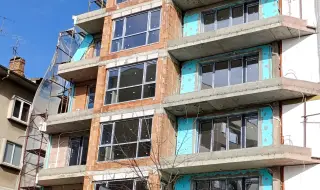
The design and construction of a building seems like a linear process - you find a plot of land, design, build, sell. “Behind the facade lies an extremely complex and often lengthy procedure, which begins with the search for a suitable property and goes through dozens of institutions, documents and design solutions“, explains Dilyana Hristova, general manager of NovaCity Group for Bulgaria, especially for the largest real estate site in our country imot.bg. Here is the complete path of building construction - from the empty plot to the keys in the hands of the new residents.
1. The plot: discovery, inspection and purchase
It all starts with finding a plot of land. The first step after that is so-called due diligence, which includes both legal and technical parts.
The legal verification covers the ownership of the property – whether it has been restituted, are there any claims or encumbrances.
The technical verification, in turn, clarifies the development parameters: is there a valid detailed development plan (DDP), what is the available infrastructure (sewerage, access, electricity, water), is there a need for new routes and is there a legal possibility for them to be built. This is where plots often fall through – even attractive at first glance, they may turn out to be undevelopable due to the impossibility of building communications.
2. Detailed development plan (DDP)
If the property does not have an approved DDP, a procedure for its preparation must be initiated and approval. This includes a project, coordination, announcement in the municipality, consideration of objections and possibly legal proceedings. The terms for this process vary greatly – from 6 months to over 5 years, depending on the municipality and the specifics of the property.
3. Design visa and conceptual concept
After the PUP is approved, a design visa is issued – a document that indicates the scope of the possible construction. At this stage, a conceptual architectural project is often prepared, which tests to what extent the parameters of the property allow the realization of a functional and market-adequate building.
Many owners overestimate the possibilities of their plot, basing the price on an assumed developed built-up area (GLA). For example – if a plot of 1000 sq m is in a zone with an intensity coefficient of 3.5, suggests a possibility of 3500 sq.m of gross floor area. But this is not always achievable – the standards for distances, landscaping and functionality often “eat“ part of the area, making the maximum gross floor area impossible or undesirable by the investor.
4. Design assignment and architectural project
After the design visa, the investor prepares a design assignment – a document that is provided to the architects and determines the key parameters of the future building. This may include:
* the desired ratio between two-room, three-room and larger apartments;
* the areas of the premises;
* the desired common areas (luxury or standard);
* additional areas – lobbies, playgrounds, gyms, retail areas;
* facade design and materials;
* expectations for customers in the area – whether they are looking for more luxurious or more affordable construction.
The assignment is a key tool that aims not just for a beautiful building, but for a market-effective building – one that will meet the needs of future buyers.
5. Parking spaces: the hidden regulator
An often underestimated, but extremely important point in design is the number of parking spaces. By regulation, at least one parking space must be provided for each apartment. If the building includes shops, offices or other functions, the need for parking spaces increases further.
This requirement directly affects the number of apartments in the project. For example, if only 70 parking spaces can be provided in the underground level, this automatically limits the number of apartments to 70, regardless of the built-up area, which would otherwise allow for more. It is often necessary to change the ratio between two- and three-room apartments in order to achieve a balance between regulations and market goals.
6. Approvals and building permit
After finalizing the architectural design, the procedure for approval with all utility companies and institutions begins - electricity distribution, water supply, fire safety, health control, etc. This can take between several months and a year. Only then is the project submitted for building permit to the relevant municipality.
7. The construction itself and commissioning
The construction process begins after the permit is issued. The deadlines here vary according to the volume of the building, technology and financing, but are usually between 18 and 36 months. After completion, the building must go through a commissioning procedure, with the issuance of the so-called Act 16. This is the final legal step, after which the properties can be officially handed over to their new owners.
The future of construction requires vision, preparation and patienceInvesting in a building is an investment not only in land and concrete, but also in expertise, good partners and long-term planning. Each stage of the process hides challenges that require a balance between architectural vision, economic logic and administrative reality. Understanding this process is key for anyone who wants to participate – either as an investor, designer or buyer.
Detailed statistics on average property prices in Bulgaria by city and neighborhood can be seen HERE