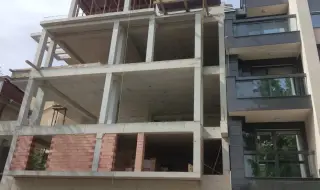
In the last few years, the emphasis in the housing trade has fallen on these new constructions. The process of building a building, however, began long before the "first sod". The project often has to be revised, and litigation is involved, since consent is required from the owners of neighboring plots or buildings. In addition, there are many new investors who are just starting out in the industry and make mistakes that further prolong the construction process. What is the current status on the subject, says Dilyana Hristova, General Manager of NovaCity Group for Bulgaria, in an interview for the largest real estate website in our country, imot.bg.
Ms. Hristova, what are the most common reasons for delays in development plans?
The reasons can be of different nature. The delay can be due to overload of the approving institutions, respectively non-compliance with the statutory deadlines, but in these cases the ultimate goal is still achieved - approval of the plan, albeit with a delay.
The worse scenario for the investor is when there is an appeal of the plan by interested parties. These parties may be owners of neighboring properties, and depending on the area in which the property falls or the scope or significance of the plan, it may be necessary to expose the plan to a so-called public discussion, in which practically anyone can participate. Depending on the stage at which the appeal is made, the dispute may end up in court.
How often is it necessary to revise projects during construction?
In practice, almost all approved projects undergo changes during construction. These changes may be due to optimization of the project, change of purpose of objects or premises in the building at the request of the investor or client. Sometimes the investor decides to increase the added value of the project by providing additional activities and opportunities - fitness, recreation area, etc.
What trends do you observe in the specifications of modern residential buildings - more common areas, more luxurious facades or a focus on sustainability?
The design specification should be prepared according to the needs and requirements of the potential client and must be consistent with the criteria for the respective area. In more expensive neighborhoods, investors emphasize more luxurious implementation of the project - common areas, facades, as these are the requirements of buyers who, paying a higher price, expect a more elite product.
In areas with a predominantly younger population, more attention is paid to technology, the energy efficiency of the building, the use of sustainable materials and, in general, a “greener” project focus.
What mistakes do novice investors most often make when starting a project?
The first mistake is when selecting a team. It is extremely important to hire people with experience who have encountered problems and know how to avoid mistakes at different stages - from design, sales, selection of subcontractors to commissioning.
The second important stage is design. Common mistakes made by novice investors are non-functionality of the project, excessive cost, or implementation of ideas that look brilliant on paper, but turn out to be expensive or an unnecessary burden.
The third key point is securing financing. In a crisis or a project that turns out to be of poor or no profit, short-sighted investors are threatened with bankruptcy, and their clients with non-completion of the project and loss of money.
Choosing a general contractor and subcontractors. If you are only an investment company, not a construction and investment company, do not think that you can complete the project qualitatively and without problems, estimating that you will build it yourself cheaper. You will face a lack of experts, a shortage of labor, a huge paperwork and thousands of regulations. In the 1990s, this was possible, but since then, builders have come a long way and they have what you lack - experience.
Detailed statistics on average property prices in Bulgaria by city and neighborhood can be seen HERE