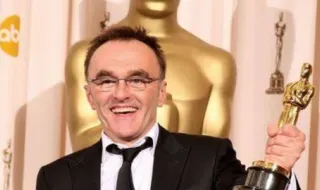
In one of the most memorable openings of a British film, a man runs down an Edinburgh street while his voice muses about life, choice and the impossibility of staying out of chaos. The scene is from "Trainspotting" - the 1996 film that transformed Danny Boyle into a director capable of turning a dark social story into a cultural event.
Boyle was born on October 20, 1956 in Radcliffe, Lancashire. Today he turns 70. His path to cinema began in the theatre, and his first feature film was "Shallow Grave" from 1994. The dark crime story about three friends and a suitcase of money brings together the team with which Boyle would soon film “Trainspotting“ – screenwriter John Hodge, producer Andrew McDonald and actor Ewan McGregor.
The film that changed British cinema
“Trainspotting“ was made on a budget of around £1.5 million, but its UK box office revenue reached approximately £48 million. The film uses music, editing and visual rhythm as part of the narrative, and its characters – heroin-addicted young people from Edinburgh – they speak a language that has long seemed too local to an international audience.
“Everything after the first film is business“, says Boyle in an interview with “The Guardian“, explaining why “Shallow Grave“ remains special to him. According to the director, the debut brings the magic of the first time, while subsequent projects are already part of professional life.
After “Trainspotting“ Boyle did not settle down in one genre. He went through adventure cinema with “The Beach“, science fiction with “Sunshine“, horror with “28 Days Later“, biographical drama with “Steve Jobs“ and the musical comedy with „Yesterday“.
The Oscar and the Indian Fairy Tale
His greatest professional success came with „Slumdog Millionaire“ - the story of a young man from Mumbai who reaches the final of a television game show and must explain how he knows the answers. The film won eight „Oscar“ awards from ten nominations, including best film, and Boyle received the award for directing.
A year later „Slumdog Millionaire“ also won seven BAFTA awards, including best film and director. The success shows that Boyle can work simultaneously with a large audience, genre dynamics and a story rooted in a specific culture.
From the contagion to the Olympic stadium
In 2002, “28 Days Later“ renewed the image of post-apocalyptic horror. Instead of slow monsters, the film shows infected people moving at breakneck speed, and the digital vision of a deserted London creates a sense of imminent danger. More than two decades later, Boyle returned to the series with “28 Years Later“.
In 2012, the director also took on one of his largest assignments outside of cinema - the opening ceremony of the London Olympic Games. The show cost 27 million British pounds, included 7,500 participants and was prepared in 284 rehearsals. It brings together Britain's industrial history, the National Health Service, music, literature and popular culture. Boyle describes himself simply as a "storyteller".
His latest film, "Ink", returns to London, but this time to the editorial offices of the "Sun" in the late 1960s. The story traces the rise of the tabloid and the relationship between Rupert Murdoch and editor Larry Lamb. "The attention economy, the clickbait, the dopamine economy - that's their starting point", Boyle told the British Film Institute.
The third film in the series, "28 Years Later", already has a script by Alex Garland, but Boyle says the project has been put on hold temporarily due to funding constraints. Thus, at 70 years old, the director remains true to his most recognizable trait: changing direction before the audience has managed to place him in a ready-made category.
Sources: theguardian.com, au.variety.com