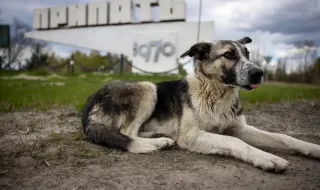
Dogs living near the Chernobyl nuclear power plant show genetic signals consistent with directional natural selection. This does not mean that the animals have become immune to radiation or cancer. The new study finds differences in regions of the genome linked to DNA repair, the cell cycle, the immune system and cancer development.
The study was published on September 27, 2026 in the journal Genes. The team analyzed data from 106 free-ranging dogs sampled in 2018 and 2019. One population lives in the area of the nuclear power plant itself, and the other is in the city of Chernobyl, about 10 miles away.
Differences not explained by more mutations
The genetic distance between the two groups is significant, even though they live relatively close to each other. An earlier study in 2023 identified 391 genomic regions associated with likely directional selection and pointed to 52 candidate genes.
A subsequent analysis published in 2024 found no evidence that higher mutation rates were the cause of the differences. This led researchers to two other possible factors: natural selection or genetic drift, in which random changes accumulate in a small, isolated population.
The new study compared dogs near the power plant with animals from the city of Chernobyl, other free-ranging dogs in Eastern Europe and an isolated population on the Galapagos Islands. In the dogs from the plant area, signals of selection were found at more than 100 places in the genome.
Radiation is not the only possible explanation
The genes around these regions are involved in processes related to DNA replication and repair, cell death and survival, the immune response and cancer. Lead author Megan Dillon said the results were “suggestive of selection,” but not definitive.
“When we look more closely at these genomic regions, we see genes involved in biologically important processes that could help animals cope with the toxic effects of that environment,” Dillon said.There is not only residual radioactive contamination around Chernobyl, but also heavy metals, organic compounds and other industrial pollutants. So the scientists can’t point to radiation as the sole cause of the observed genetic features.
Matthew Breen of North Carolina State University suggests another possibility. Some of the dogs that survived the initial exposure to the pollutants may have already carried genetic variants that gave them an advantage. These variants were gradually passed on to subsequent generations.
The dogs in the zone have been around for more than 30 generations since the 1986 accident. It remains to be seen whether the genetic signals discovered are a direct result of radiation, a combination of pollutants, or other environmental factors. So far, the data suggest likely natural selection, but do not prove that the animals have acquired cancer or radiation resistance.
Sources: sciencealert.com, iflscience.com