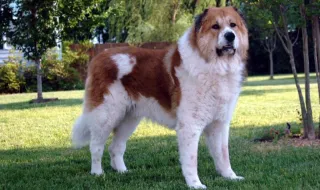
A dog may remain in its home but no longer have the right to produce offspring. This is what Moldova’s future regime looks like for 11 breeds designated by the authorities as potentially dangerous. The new rules will come into force in September 2027.
This concerns Law No. 256/2025 on the protection of domestic animals. It bans the breeding and reproduction of the specified breeds but does not provide for the automatic confiscation of dogs already kept by owners in the country.
Which breeds are on the list
The list includes the Akbash, Alapaha Blue Blood Bulldog, American Bandog, American Pit Bull Terrier, Bullmastiff and Bully Kutta. The remaining breeds are the Campeiro Bulldog, Caucasian Shepherd, Gull Dong, wolfdog and wolf-dog hybrid.
Some of these names are little known outside canine circles. Others, such as the American Pit Bull Terrier, Bullmastiff and Caucasian Shepherd, are widely recognized. According to the Moldovan authorities, what they have in common is their size, physical strength and the need for strict control by their owners.
What will happen to dogs already owned
People who already keep animals from the list will have to register them. Requirements for spaying or neutering are also envisaged. Representatives of Moldova’s Food Safety Agency explain that a system for identifying and recording the animals will be established.
“The aim is to protect children, neighbors and animal owners by preventing tragedies,” the agency says. The authorities are urging citizens not to buy or breed dogs of these breeds, so that they do not come into conflict with the rules once they take effect.
There are still no publicly available exact figures on how many animals of the specified breeds are kept in Moldova. This means that the practical enforcement of the law will depend on registration, identification and subsequent monitoring of owners.
A security measure, but also a debate over responsibility
The institutions’ argument is that some large and powerful dogs can be difficult to manage, especially when their owners lack the necessary knowledge or fail to provide appropriate training. Critics of such bans, however, say that behavior depends not only on the breed but also on the way the animal is raised, trained and controlled.
Moldova also presents the law as part of its alignment with European standards for animal protection and public safety. Similar restrictions exist in various European countries, but the rules are not uniform: in some places specific breeds are banned, while elsewhere the type of dog or its origin is assessed.
By September 2027, the Moldovan authorities must prepare the necessary procedures for enforcing the law. At that point, the question will not only be what a dog looks like, but whether it is registered, neutered and kept in compliance with the new requirements.
Sources: unian.net, moldpres.md, newsmaker.md