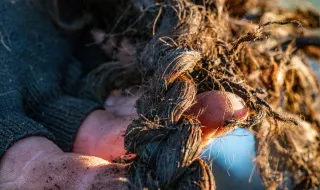
Molecular traces of cannabis have been found in human hair preserved in a 2,800-year-old princely tomb in southern Siberia. The discovery at the Tunnug 1 archaeological site in the Uyuk Valley has been described by the research team as the oldest directly dated archaeological evidence of the plant being used for its intoxicating properties.
The tomb is located in the Russian republic of Tuva and is associated with an early Scythian culture. Around 1,000 cannabis seeds were found there. Radiocarbon dating of six of them places the burial at the beginning of the 8th century BC.
What the hair analysis shows
In several hair samples, scientists identified clear signals consistent with cannabinol, known as CBN. This substance can form when tetrahydrocannabinol, or THC — the main compound in cannabis that causes an intoxicating effect — is oxidized. Weak signals consistent with THC were also detected.
The samples were examined using high-resolution mass spectrometry and other analytical methods. According to archaeologist Gino Caspari, who led the study, the combination of plant remains with molecular traces in human tissue is particularly rare.
“The molecular traces in the hair and the cannabis seeds come from the same tomb and indicate that the plant was used for its intoxicating properties,” Caspari says.However, the data do not show how much was used or how the active substances entered the body. It cannot be determined whether the cannabis was inhaled or ingested. The presence of seeds alone is also insufficient evidence of psychoactive use, as the plant was also used for oil and fiber.
The ritual context remains the leading hypothesis
The researchers link the cannabis to a burial ritual. Weapons, horse harnesses and the remains of dozens of horses were found at Tunnug 1, while archaeologists also reported scattered human bones. According to the team, the burial was accompanied by large-scale sacrifices of horses and possibly humans.
Independent experts have questioned some of the conclusions. Volker Auwärter, head of the forensic toxicology section at the University Medical Center Freiburg, described the hair analysis as “scientifically weak.” In his view, the data do not rule out the possibility that the traces reached the hair through external contact with cannabis in the tomb.
Until now, some of the earliest direct evidence of cannabis being used for intoxication came from a 2,500-year-old cemetery in the Pamirs, in present-day China, where chemical residues from cannabis were found in vessels and on heated stones. The new discovery pushes that boundary back by around 300 years.
The team has already begun sequencing DNA from the plant remains. The aim is to learn more about the origin, spread and possible domestication of cannabis in ancient Central Asia.
Sources: apnews.com, abcnews.com