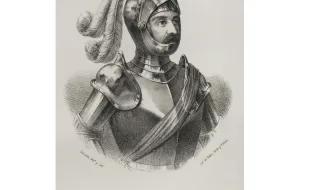
In 1519, a settlement was established near the natural harbor on Cuba’s northern coast that would later become Havana. The Spanish conquistador and governor of Cuba, Diego Velázquez de Cuéllar, laid the foundations of its final form by moving the settlement from the southern coast to the area of present-day Old Havana.
The new colony was named Villa de San Cristóbal de la Habana. The site was chosen because of its sheltered bay and proximity to the sea routes linking Spain’s possessions in the Americas with Europe. Thus, Havana gradually grew from a small settlement into one of the most important centers of the Spanish Empire in the Caribbean.
The traditional date is November 16
Cuban tradition regards November 16, 1519, as the city’s birthday. According to accounts, the first Mass was celebrated and the first meeting of the city council was held under the shade of a ceiba tree on that day. The present-day El Templete memorial near Plaza de Armas commemorates the site.
There is, however, a difference between the traditional date and what has been confirmed by documentary evidence. UNESCO states that Havana was founded in November 1519, but the exact day has not been preserved because the city council’s records from that period were destroyed during the attack by the French corsair Jacques de Sores in 1555. That is why November 16 is commemorated as an established historical tradition rather than a date proven by a surviving primary source.
From port to capital
Havana’s location quickly determined its future. Ships from the Spanish Treasure Fleet passed through the harbor, carrying gold, silver and other goods from the American colonies to Spain. “Because of its location, it would soon become a gathering point for the Spanish Treasure Fleet,” Spanish King Felipe VI noted in a speech marking the city’s 500th anniversary.
In 1592, Havana was granted city status by King Philip II, and in 1607 it became the capital of Cuba. The harbor and trade led to the construction of fortresses, churches and public buildings that shaped the historic center. In 1982, Old Havana and its system of fortifications were added to the UNESCO World Heritage List.
That is why 1519 is not merely a year in the chronology of the Spanish conquest of Cuba. It marks Havana’s move to the site from which the city would control the Spanish Empire’s maritime links in the Caribbean and become the island’s political center.
Sources: granma.cu, plenglish.com