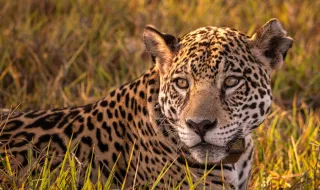
An 18-kilometre dry-stacked limestone wall outlines the “Jaguar Park” near Tulum, Mexico. Designed by Mexican studio Colectivo C733, it protects more than 1,000 hectares of tropical forest without disrupting the movement of wildlife.
The wall was built without mortar, while gaps between the stones allow animals to pass through. The design draws inspiration from traditional Mayan stone fences known as tecorales. It replaces a conventional fence and creates a physical boundary around the protected area without turning it into a completely enclosed reserve.
A Park Between Forest, Sea and Archaeology
The area near Tulum encompasses tropical forest, mangrove zones, underground rivers and karst formations. It is also home to the ancient Mayan archaeological site of Tulum. According to Dezeen, jaguar habitats in the area had been disrupted by roads, construction and tourism development, while contaminated soil around a former airstrip had further affected the landscape.
Rather than concentrating construction in untouched areas, Colectivo C733 placed the new buildings in zones that had already been altered. As a result, large parts of the territory remain free of new development. Walking and cycling routes run between the individual sites, while electric transport limits the impact of visitor movement.
Buildings Made from Local Materials
The central entrance complex includes a museum, café, shop, multifunctional hall, open-air forum and fire-cooking kitchen. The building features a timber structure, vertical shading elements and a roof made of woven palm leaves.
The architects use local limestone, chicozapote wood, sascab - a natural limestone-based material - and palm leaves. The open sides of the buildings support natural ventilation, while green roofs and shaded spaces reduce the need for mechanical cooling in the tropical climate.
Visitors can climb observation towers and cross a long suspended walkway above the forest canopy. Along the coast, stone platforms, steps and raised wooden stairways lead to vantage points overlooking the Caribbean Sea.
Restoring the Disturbed Territory
The project is not limited to the new facilities. It also includes soil restoration, reforestation and the restoration of natural water systems. Asphalt was removed from already developed areas to restore the soil and reconnect previously fragmented habitats.
Access to sensitive areas is more strictly controlled to limit disturbance to wildlife, including jaguars. Colectivo C733 was founded in 2019 by Gabriela Carrillo, Carlos Facio, José Aurrutia, Erick Valdés and Israel Espin. The project photographs are by Rafael Gamo.
Source: dezeen.com