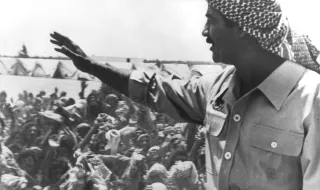
On November 29, 1990, the UN Security Council adopted Resolution 678, authorizing the use of military force to liberate Kuwait from the Iraqi occupation. The document was approved by 12 votes “in favor,” two “against” and one abstention. Cuba and Yemen voted against, while China abstained.
The resolution was adopted nearly four months after Iraq invaded Kuwait. Iraqi forces crossed the border on August 2, 1990, and on August 8 Baghdad announced the country’s annexation. In Resolution 660, the Security Council had already demanded an immediate and unconditional withdrawal, but Iraq did not comply with the demand.
Final deadline before military action
Resolution 678 set a deadline of January 15, 1991, for Baghdad to comply with the Security Council’s previous decisions and leave Kuwait. The text referred to “one final opportunity, as a pause for goodwill.”
If Iraq failed to comply, states cooperating with the government of Kuwait were authorized “to use all necessary means” to enforce Resolution 660 and the other decisions, as well as to restore international peace and security in the region. The wording was understood as authorization to use military force.
The decision was adopted under Chapter VII of the UN Charter. It did not create a separate army for the organization, but gave the countries in the international coalition a mandate to take action against Iraq if the deadline passed without a withdrawal.
From diplomatic pressure to war
After the resolution was adopted, an international coalition led by the United States continued to assemble in the region. Diplomatic pressure did not lead to the withdrawal of Iraqi troops by January 15.
On January 16, 1991, the air campaign against Iraq began. International forces carried out strikes against military and strategic targets in Iraq and Kuwait. The ground operation began on February 24 and lasted four days.
On February 28, Iraqi forces withdrew from Kuwait. The Security Council later adopted new decisions setting the conditions for the cessation of hostilities, reparations and Iraq’s obligations after the war.
Sources: washingtonpost.com, upi.com