In 1998, 42% of Icelandic students aged 15–16 said they had been drunk in the previous 30 days. In 2023, their share was 6%. Over the same period, daily smoking among this age group fell from 23% to 1%, according to national surveys by the Icelandic Centre for Social Research and Analysis.
This result was not achieved through a single campaign or punishments alone. Iceland has built a model that views alcohol use as a problem of the environment surrounding a child – the family, school, peer group and leisure time. Every year, students complete questionnaires, and the results are provided to municipalities. This enables local authorities, schools, parents and sports clubs to plan measures based on the specific risks in their community.
Parents are part of prevention
The programme encourages parents to spend more time with their children, know their friends and know where they are in the evenings. At meetings in schools, parents agree on common rules – not to buy alcohol for minors, not to allow unsupervised parties and to take part in monitoring the neighbourhood.
The model also includes guidance on curfews – 10 p.m. in winter and midnight in summer. These are supported by parent groups and local initiatives rather than relying solely on police enforcement. “As parents, we are role models; it is our responsibility to create a safe and healthy environment for our children,” says Bergþóra Valsdóttir, an active participant in the early stages of the model, to the World Health Organization.
Money goes to activities and facilities
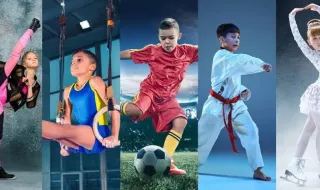
A key part of the policy is ensuring that children have an accessible alternative to the streets and unsupervised gatherings. Municipalities fund sports clubs, music schools, youth centers and other after-school activities. Indoor football pitches, swimming pools and multipurpose halls are being built, allowing sports to be played year-round, including during the cold and dark months.
In Reykjavík, every child and young person aged 6 to 18 is entitled to an annual voucher worth 75,000 Icelandic krónur. It can be used for sports, the arts and other organized activities, so that family income does not determine whether a child can take part in training. The Icelandic Sports Fund complements this policy with grants for sports infrastructure, educational projects, youth work and research.
The data show an expansion in participation in organized activities. In 2023, 63% of 14–15-year-olds exercised at least once a week, while 45% did so at least four times a week. The European Union Drugs Agency points out that frequent participation in team sports, together with stronger parental supervision, is associated with lower alcohol use, although these data show a correlation rather than proving that sport alone is the sole cause of the change.
Strict controls on alcohol
Sport is only one side of the approach. Alcohol is sold mainly through the state-run Vínbúðin system, the minimum purchase age is 20, and advertising is restricted. Health authorities identify controls on access, prices and sales hours as a key part of prevention.
The model, however, is not complete. A study published in October 2026 reported a further decline in alcohol use among students, but also pointed to growing problems with loneliness, nicotine products, screen time and low levels of physical activity. Separately, health authorities warned that online alcohol sales could weaken age controls. Thus, the Icelandic approach continues to evolve – from bans toward continuous efforts to create a safer environment and more opportunities for children.
Sources: icelandreview.com, youtube.com