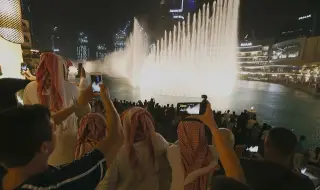
Luxury, sun, security - for a long time, Dubai was exactly that. But the war in Iran changed everything and many are wondering - has the illusion come to an end?
A number of publications are already predicting the "end of the Dubai Dream". For years, the emirate was a haven for wealthy foreigners - tax-free, luxurious, safe and the complete opposite of the tense situation in the region as a whole. However, the war in Iran changed that.
Part of the problems of the "Dubai Dream" is also due to the repression by the UAE authorities: influencers and other foreigners have been arrested on charges of distributing online footage of the destruction caused by the Iranian attacks. The Dubai-based organization "Detained in Dubai" estimates that more than a hundred people, including European citizens, have been detained for violating security laws. If convicted, they will have to pay heavy fines or even serve time in prison.
The UAE Ministry of Defense reports that Iran has launched more than 2,200 drones and more than 500 ballistic missiles against the country. Some of the attacks caused damage to Dubai's airport, as well as residential buildings and hotels. At the same time, however, the authorities want to suggest that everything is fine. Dubai dignitaries visit malls, companies operate, and state-run media and influential influencers spread one main message: "Life goes on, Dubai is safe".
Is the "Dubai dream" alive?
Dubai has certainly suffered serious economic damage. The emirate is the second largest of the seven, but 96 percent of its oil reserves are in Abu Dhabi. Dubai's economy, on the other hand, depends largely on other sectors - tourism, financial services, technology, real estate, logistics. Dubai is home to about 3.8 million people, of whom only ten percent are local. Population growth is mainly due to immigration - workers, investors and tourists. "Immigrants are at the heart of economic development", a 2021 analysis by the Gulf Arab States Institute found.
There are no exact estimates of how many foreigners have left Dubai since the start of the Iran war, but it is likely in the tens of thousands. Tourism has also collapsed - industry sources say it has fallen by up to 80 percent. Hotel bookings have dropped dramatically, and other sectors have also been affected - the stock market has recorded losses, financial companies have let their employees work from home, and some have even evacuated. Real estate prices have fallen, and potential buyers have started to give up.
Government tries to stem the tide
The authorities in Dubai are trying to control the crisis. A package of measures worth a total of about $272 million is aimed at stabilizing the economy. It includes deferring the payment of government taxes, for example in the tourism sector, as well as customs relief. In addition, programs have been developed to revive tourism after the war. The authorities are also considering easing tax and immigration regulations for foreigners in order to attract residents to return to the country, the media writes. "Dubai was one of the first governments to take concrete measures for the economy", says Robert Mogelnicki of the Arab Gulf States Institute.
Many experts still see good chances for Dubai's recovery. "Dubai's economy has been hit hard, but a return to normality is possible", says Mogelnicki. "It is entirely possible that Dubai will adapt within the framework of a new regional order."
Karen Young of Columbia University is also optimistic: "Dubai will remain a regional center. It is a symbol of economic freedom, luxury and reliable state structures - something that many people in the region do not have in their home countries. Economist Martin Henkelmann expresses a similar opinion: "The UAE's core advantages remain intact. Even in light of the current challenges, the UAE is ideally positioned to recover quickly and continue its growth trajectory." However, this depends on a quick end to the conflict.
Dream on pause?
One of the main indicators confirms this assessment: the purchasing managers' index (PMI) for the UAE fell in March from 54.6 to 53.2 points, but remains above the growth threshold of 50.
”The non-oil private sector was slowed by the war,” explains S&P economist David Owen. "At the same time, however, orders for many companies remained stable and production continued to grow." But beyond the measurable economic damage, there are also intangible losses: the reputational damage caused by images of burning luxury hotels and reports of arrests in an authoritarian state. These could have a longer-lasting impact.
For Dubai, the stakes are higher than short-term economic performance. It's about the core message that has fueled the emirate's rise: stability in an often volatile region. On it depends whether the "Dubai dream" will return - or lose its appeal forever.