The global chip manufacturing industry has once again bared its teeth, sending Honda into an unexpected “winter lethargy“. The Japanese auto giant was forced to pull the plug on key plants in Asia, proving that the specter of the semiconductor crisis is still haunting the conveyor belts even at the end of 2025. Paradoxically, the stumbling block is not the high-tech next-generation processors, but the modest but indispensable “legacy“ components – those little worker bees in electronics, without which not a single wiper would move and not a single window would roll down.
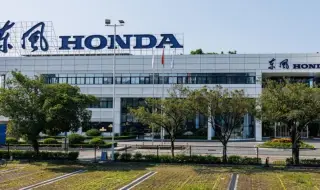
According to the brand's official announcement, the production rhythm in Japan will completely die down on January 5 and 6, followed by a painful “recovery“ in a reduced mode until January 9. Although Honda remains discreet about the exact locations, it is an open secret that the strategic sites in Suzuka and Saitama have been affected. The situation in China seems even harsher - there, the three facilities of the Guangqi Honda Automobile joint venture will stop working for five days, starting from December 29. This unexpected shortage is a cold shower for the company, which only a month ago optimistically predicted a stabilization of supplies.
At the heart of this industrial tremor is a geopolitical chess game involving the company Nexperia. China's blockade on the export of its products from its local factories has become a "butterfly effect" for the global automotive industry. Nexperia may not be in the league of titans TSMC or Samsung in terms of nanotechnology, but it is an absolute hegemon in mature microcircuits that control the basic functions of every modern car. When these "simple" elements are missing, billions of investments and thousands of workers simply freeze in place.
Financial markets reacted instantly to the news, with Honda shares in Tokyo falling 1.5%. Investors are on alert, as this is not just a temporary setback, but a symptom of a deeper structural problem. The Japanese manufacturer has already adjusted its annual sales plans, lowering the bar from the ambitious 3.62 million to 3.34 million vehicles. As the world looks to the future of artificial intelligence and autonomous driving, Honda is forced to fight an uphill battle for survival in the here and now, fighting for components that many took for granted.