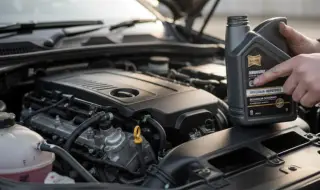
With the flood of new and often unfamiliar brands of motor oils flooding the market, reading the fine print on the can is becoming a critical skill for every car owner. It turns out that there is a serious terminological gap between the loud promises on the label and the actual recognition from automotive engineers. To prevent your engine from becoming a guinea pig, it is vital to distinguish marketing fervor from the official technical license.
One of the most common traps is the inscription “meets requirements“
Sounds reassuring, doesn't it? In reality, however, this is simply a declaration from the oil manufacturer itself. In other words, the company claims to have conducted its own research and believes that its product is of high quality. There is no external control here, which requires a great deal of trust in the specific brand.
The weight of the phrase “officially approved“ is completely different
This label signals that the lubricant has passed the test of independent regulators, such as the American Petroleum Institute (API). When you see such a marking, you can be sure that the oil has passed the full cycle of laboratory and field tests to deserve its license.
However, the highest step in the hierarchy is occupied by the terms “Approval“
Here we are no longer talking about general standards, but about a direct blessing from the engineers of a specific automaker. This means that the formula has been tested in the engines of the respective brand and has proven to protect them optimally. The opposite of this is the misleading “recommended for“ phrase, which implies that the composition should be suitable, but real tests by the automotive giant have never been conducted.
In addition to carefully reading the labels, modern operating conditions also require rethinking service intervals. Native roads, often accompanied by dust, extreme winter temperatures and exhausting hanging in city traffic jams, fall into the “severe conditions“ category. In such situations, strict adherence to the manufacturer's prescribed mileage can play a bad joke. The experienced eye of a specialist advises not to wait until the last moment, but to monitor the viscosity and color of the oil, because timely replacement is the cheapest insurance for the health of your engine.