When a traffic accident occurs, the first question is often: “Who is at fault?“ And while in some cases the situation is obvious, in many others – things are more complicated. Memory is not a reliable witness, and the words “you ran a red light“ versus “no, you hit me“ rarely lead to a fair decision. In such moments, evidence is crucial.
1. Photos and video from the scene of the accident
The sooner you document what happened, the better. Take pictures of:
the position of the cars after the impact;
markings, signs, traffic lights;
possible skid marks;
damage to the cars.
Phone photos are often enough for a basic description, but video footage (especially from the moment of the accident) carries much more weight – especially if it leads to a dispute or a lawsuit.
2. Witness statements
If there are eyewitnesses, it is important to contact them on the spot – name, phone number, possibly a brief explanation of what they saw. People often leave quickly, and without a witness the situation becomes “word for word“.
3. DVR recording
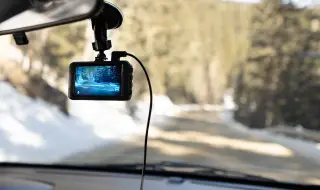
This is already becoming the most reliable evidence in disputes – especially when the recording is clear and shows the exact moment of the incident.
Even if there is no accident, the video can be used to report aggressive behavior, running a red light, or other violations.
4. Police report / traffic police documents
If the police arrive at the scene, make sure a report is drawn up.
How do new technologies make the process easier?
More and more drivers are using dashcams, but not all models are equally convenient. Most require manual search for footage and transfer via USB before a report can be filed. One of the most effective such devices is the Amarant dashcam, which saves the last 60 seconds with a voice command, without the need to dig through hours of recordings, and is compatible with Android Auto and Apple CarPlay. This dash cam allows you to quickly and easily download clips to your phone and share them on social media, with videos being able to be downloaded directly from the app and shared on social media.
When it comes to liability on the road, it's best not to rely solely on memory or chance. Evidence - especially objective evidence, such as video footage - can be crucial not only in establishing guilt, but also in your own defense.