Silence in the cabin is a luxury that is often mercilessly stolen by the monotonous rumble of the asphalt. Even the most expensive fender insulation sometimes proves powerless against the wrong choice of "shoes" for the car. If you are tired of turning up the radio to drown out your tires at high speed, here's how to find those magical models that caress your hearing.
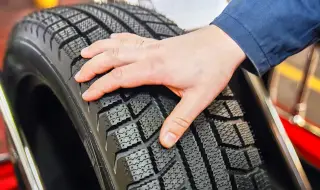
According to experts, acoustic comfort is not a matter of luck, but of pure physics. The first thing you should look at is the "face" of the tire – its tread. Forget about aggressive V-shaped patterns if you are looking for peace; they may look impressive, but they are often the main culprits of noise. The real champions of silence are models with an asymmetrical design.
Pay attention to the details in the so-called shoulder zones. If the blocks there are exactly the same length, prepare for annoying background whine. Cunning manufacturers alternate shorter with longer elements to break up the sound wave. Another joker: look for rounded or beveled edges of the blocks. They come into contact with the road much more smoothly, avoiding the "slapping" effect that generates unnecessary vibrations.
Today's technologies reach incredible heights in the fight against decibels. Some brands borrow ideas from golf balls, providing small depressions in the tire grooves to tame the air flow. Others build internal 3D structures reminiscent of a recording studio. The highest class tires hide a special layer of polyurethane foam that literally absorbs noise from the inside.
We should not forget the “golden rule“ of rubber: soft is quiet. The more elastic the compound, the less noise it generates. However, here comes the trick with the dimensions. Wide, low-profile tires with high speed and load indices are structurally stiffer and, accordingly, – louder. The larger the "meat" of the tire and the more standard its parameters are, the greater the chance of enjoying silence.
Of course, even the most perfect tire will start to "sing" unpleasantly if the pressure in it is wrong or if the geometry of your front wheel is lame. And finally, a friendly advice: look for balance. Too quiet a tire sometimes compromises traction in extreme conditions. Choose a model that gives you peace of mind without depriving you of road safety.