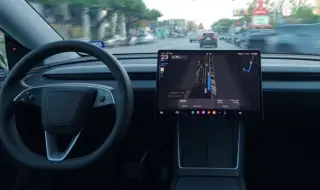
In the world of technology, sometimes a butterfly in Cupertino can cause a storm in Texas. According to the latest analysis by Mark Gurman from Bloomberg, the unexpectedly slow penetration of the new iOS 26 operating system among iPhone users has begun to negatively affect Tesla's market performance. The situation is a classic example of technological dependence - users' reluctance to update their phones is becoming a barrier to one of the most anticipated features in Musk's electric cars: Apple CarPlay.
For many, CarPlay is not just an extra, but a mandatory condition for purchase. The lack of a smartphone mirror image in Tesla's multimedia has been a thorn in the side of customers for years, with many of them directly turning to the competition precisely because of this deficiency. Although Tesla has long held on to its closed ecosystem, the decline in annual deliveries with 9% compared to 2024 forced the company to rethink its position and start working on integrating CarPlay into a window of its interface.
However, the engineering challenge turned out to be more complicated than expected. Difficulties arise in the synchronization between Apple Maps and Tesla's navigation, which is vital for the functioning of Full Self-Driving (FSD). When the two systems work simultaneously, a software conflict occurs that can confuse both the driver and the autonomous driving algorithms. Apple agreed to implement the necessary corrections in iOS 26, but here a new stumbling block appeared - the “cold” acceptance of the update by users.
Data from February 2026 shows that about 74% of iPhone devices released in the last four years are already running iOS 26. Although the figure seems high, it lags behind the pace of previous versions. Tesla fears that the mass CarPlay's launch will spark a wave of complaints from owners whose phones are still running the old iOS 25 and don't support the necessary "patches" for navigation. This fragmentation has forced the company to slam on the brakes on the project just when its sales need a new impetus.
The integration is currently in a "waiting" state until a critical mass of users have switched to the correct software version. Gurman is optimistic that development continues, but the ironic truth remains: Tesla's fate next quarter may depend not on new factories or faster chargers, but on how many people press the "Update" button on their phones tonight.