In the world of electric vehicles, where every cent of production costs matters, Tesla has made its next strategic move on the chessboard. The American pioneer in the industry has officially integrated a new key ally into its ranks - the Chinese technology player Sunwoda. The cooperation is not just an addition to the list of partners, but a clear signal that the battle for cheaper and faster-charging batteries is entering its heated phase.
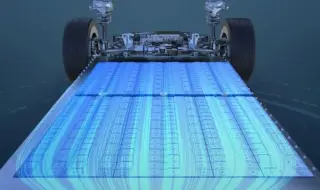
At the heart of this deal are the third-generation lithium iron phosphate (LFP) batteries. These cells are a real technological gem, supporting charging speeds of up to 3C. Translated into the language of drivers: an end to endless hanging in front of charging stations. This innovation allows cars to "take" energy significantly faster, without compromising the battery's longevity or increasing the cost of the final product.
The production capacity in Yiwu is already operating at full speed for Tesla's needs. Interestingly, the Sunwoda EVB batteries immediately find a place in the units leaving Gigafactory Shanghai, but with one important detail - they are intended for export markets. Chinese consumers themselves will have to wait, as Elon Musk's company prefers to test "in combat" new components abroad before implementing them en masse on local soil.
However, Tesla is also changing the cooperation model itself, demonstrating a desire for full control. Unlike the contracts with CATL, where ready-made modules were purchased, here the Americans receive only the raw cells. The assembly of the packs takes place under the strict supervision of Tesla engineers. This approach is not accidental - it is a direct hit to high costs and gives the company the flexibility it needs to optimize every dollar along the chain.
With the addition of Sunwoda, Tesla's energy suppliers now number five, joining the elite club of Panasonic, LG Energy Solution, BYD and CATL. Diversification is vital, especially after financial reports for 2025 showed that margins are under serious pressure. With a profitability of 15.4% (excluding environmental credits), finding more profitable solutions for batteries, which still "eat" over 30% of the cost of a car, is a matter of survival.
The move is also a huge compliment to the Chinese industry. Sunwoda, which already has successful projects with Li Auto, proves that the East holds the keys to global electrification. For Tesla, this is another step towards the goal – more affordable and more efficient machines that do not require compromise from the owner. The future is cheaper, faster and definitely more efficient.