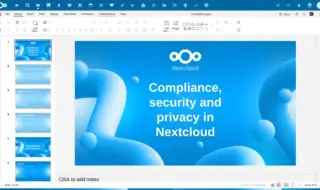
This project, which has the ambition to become a definitive answer to the ubiquitous Microsoft Office and Google Docs platforms. The project is conceived as a full-fledged ecosystem that will offer users the full arsenal of familiar digital tools for word processing, complex spreadsheets and presentations.
The grand premiere of version 1.0 is scheduled for a few days – on June 9, the software package will be uploaded for free download to the public repositories on GitHub. The platform will offer fully functional web-based editors that support real-time document collaboration, so that not a second of team productivity is lost.
To make the transition as smooth and painless as possible, engineers have relied on the classic, well-known ribbon interface (the so-called ribbon menu), which Microsoft users have been accustomed to for years. There are no compromises in terms of compatibility - Euro-Office provides flawless work with both the popular DOCX, XLSX and PPTX formats, as well as the free OpenDocument standards (ODT, ODS and ODP).
The main mission behind this software alliance is strategic. Government institutions, universities and a number of strictly regulated business sectors on the Old Continent will finally get a real chance to break the shackles of their dependence on American cloud alternatives. An exceptional convenience is the fact that Euro-Office will not require a complex installation “from scratch“, but will come as a directly integrated component in existing European software networks.
Behind the large-scale initiative stands a heavy artillery of leading European technology companies and open source software houses. Among the main drivers of the project are the names of Ionos, Nextcloud, EuroStack, XWiki, OpenProject, Soverin, Abilian, BTactic, Open-Xchange and Office.eu. For the time being, the authors of the project are keeping quiet about whether this intelligent solution will be available for mass use in regions outside the European Union.