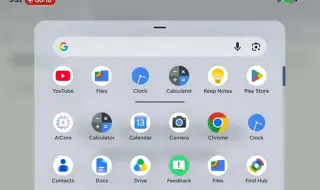
The large screens of foldable smartphones and tablets promise to turn mobile devices into full-fledged workstations, but software glitches often thwart that promise. For years, users had to put up with one particularly annoying detail in the Android interface - the taskbar, which tried to be smarter than necessary. Instead of making things easier, the operating system persistently suggested shortcuts that the algorithm assumed would be opened next. This approach, while technologically interesting on paper, in real life rather confused the built-in muscle memory of users.
With the release of the new beta version of Android 17 QPR1, Google's software engineers finally decided to listen to the critics and remove this artificial obstacle, according to information from the technology publication Android Authority. Instead of complex predictions, the right part of the taskbar now simply shows the last two applications actually opened by the user. This seemingly insignificant adjustment radically changes the feeling of control over the device, making navigation completely predictable and logical.
The change is emerging as a real salvation for professionals who use larger displays for intensive multitasking. When you have to constantly jump between text documents, web browsers and company chats, the certainty that the desired application will be exactly where you left it is of key importance. Such behavior brings the mobile platform closer to the gold standard of desktop operating systems, where quick access to activity history has always had an advantage over automatic guesswork.
The official confirmation of the new direction of the interface came from leading analysts of the Android community, who were the first to demonstrate the change in action on social networks. And although visually the taskbar retains its familiar clean silhouette, its functional consistency is now on a completely different level. For now, the innovation is being tested within the framework of the developer preview. However, before the function reaches the final version of the operating system for the mass consumer, it must prove its stability in everyday use, fine-tuning the experience behind the screen.