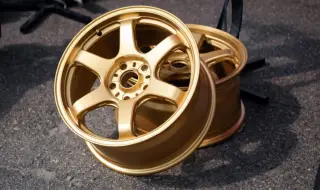
The external shine and attractive appearance can often be extremely deceptive when it comes to choosing new wheels. At first glance, premium forged models and their cheap copies look almost identical in a photo, but their structural strength and impact resistance vary dramatically. It has long been known in automotive circles that the only sure way to distinguish a real engineering product from a dangerous visual blank is a thorough check of official quality standards.
Each wheel that has passed real laboratory tests bears specific markings on its inner surface. Among the most important abbreviations that every driver should pay attention to is the Japanese standard JWL. It is a mandatory quality standard without which no car in Japan is allowed to set foot on the road. This certificate guarantees that the wheel has passed tests for impact resistance, geometry and radial load, with the marking being cast or stamped directly onto the metal.
While the manufacturer can independently affix the JWL mark, the presence of the VIA abbreviation brings a completely different level of security. It confirms that an independent third party has tested and officially certified the relevant parameters. For the European market, the absolute standard remains the German TÜV certificate, which checks not only the physical strength of the wheel rim, but also its full compatibility with the specific car model. On American soil, the SAE J2530 standard plays a similar role, setting strict requirements for durability under prolonged twisting and strong external impacts.
Behind all these abbreviations are a series of severe tests, including hundreds of thousands of revolutions under load, simulation of lateral load in sharp turns and direct strong impacts with weights, imitating a collision with a curb or a deep hole. For this reason, the lack of embossed prints or the dealer's refusal to provide an official report from a testing laboratory is a clear signal that you are dealing with a cheap replica. Quality chassis components are not a place to skimp, and knowing these key markings is the surest way to protect yourself and your car from dangerous counterfeits.