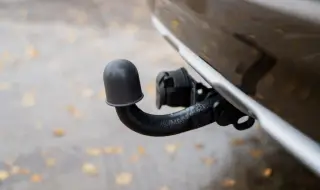
For many drivers, the idea of buying and installing a towbar seems like an elementary task - choosing a hook, fixing a few bolts to the chassis, connecting the socket and hitting the road. However, automotive experts warn that behind this seemingly simple process lie a number of technical nuances related to electronic modules, certification and specifics in the design of the particular model.
The main incentive for such a modification is almost always the chronic lack of sufficient volume in the luggage compartment. Whether it is a question of transporting construction materials, transporting garden equipment, off-road motorcycles, caravans or boats, the needs of drivers often exceed the factory capacity of the vehicle. Since most modern cars do not leave the factory with the accessory installed, the market offers a wide variety of aftermarket solutions.
The market offers three main design options. The first is the traditional bolt model with a removable hook, which remains the most popular and accounts for nearly 80% of installations due to its excellent balance between price and strength. The second is the “American square” type system, which is distinguished by better aesthetics, but also a higher price. The third option includes quick-release mechanisms with a locking cartridge, which do not require any tools for dismantling. Experts advise always choosing a device with a preventive reserve compared to the planned load. For a “golden mean” a configuration is assumed that can withstand about 100 kg of vertical load on the apple and the ability to tow a combination weighing up to 1.5 tons.
From the point of view of mechanical durability, modern certified towbars from established European manufacturers such as Steinhof, Imiola or Galia demonstrate exceptional reliability. Cases of metal deformation or defects in the frame are extremely rare. The main vulnerability remains in the electrical part - oxidation of contacts, blown fuses or defects in the control. With professional installation, these risks are covered by the relevant warranty.
The installation of a towbar is strictly individual depending on the make, model, year of manufacture and body type. It is important to keep in mind that for certain cars - including some new electric models or vehicles that have undergone specific modifications such as installing a gas system in place of the spare tire - The factory does not provide for such towing equipment.
While the physical attachment of the towbar is possible for more skilled enthusiasts, intervention in the vehicle's electrical system should definitely be entrusted to specialists. Modern cars require the use of a special relay block (matching module), which prevents errors in the on-board computer and lighting system. The use of certified components is a mandatory requirement, as reputable service centers refuse to install equipment without the appropriate documentation or second-hand components.
Maintenance of the device itself is minimal and is reduced to a periodic inspection of the tightening of the fasteners and checking the trailer's light signals. However, drivers should not forget about the change in the vehicle's behavior on the road - the braking distance is significantly longer, and the legal maximum permitted speed when towing a trailer is limited to 90 km/h on highways and 70 km/h on the rest of the road network.