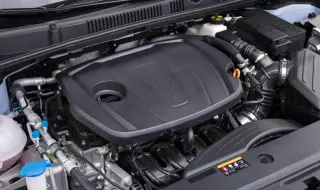
Unusual noises from the engine compartment, a change in the color of the exhaust gases, an unexpected loss of thrust or a sharply increased consumption of engine oil - these are some of the primary signals that indicate a serious malfunction in the power unit. Their timely recognition by drivers can save serious financial resources for subsequent major repairs. At the same time, automotive experts advise against going to extremes and being unnecessarily paranoid, since constant monitoring of every working detail turns daily operation into stress. However, there are specific clear changes in the behavior of the car that require immediate technical diagnostics.
One of the earliest and most definitive indicators of potential damage is the appearance of fine metal shavings in the engine oil
For this purpose, it is recommended to periodically inspect the underbody area, the lower part of the vehicle and the condition of the oil filter. If the lubricating fluid is clean when changing, there is no cause for concern. However, the presence of metal particles in the used oil or on the filter element is direct evidence of increased internal friction. Such metal removal means contact between components in the absence of sufficient lubrication. The source can be the crankshaft, bearings, scratches on the cylinder walls, as well as problems with the fuel system or high-pressure pump. In such cases, in-depth diagnostics are indispensable.
Another common symptom is a noticeable drop in power
Drivers who drive their car for a long time quickly notice even the slightest deviation in its dynamics. Loss of traction is sometimes due to a relatively easily remedied malfunction, such as a dirty air filter or a defective mass air flow sensor, but in a number of situations it is a sign of a much more serious failure inside the engine itself.
Changes in the operation of the transmission are also a serious signal for a service inspection
Regardless of the type of transmission, smoothness when engaged is a key indicator of its health. The appearance of jerks, pulling, delays when shifting gears or holding one speed require immediate inspection. Despite the widespread myth about so-called maintenance-free gearboxes, regular transmission oil changes are mandatory. For robotic gearboxes and continuously variable variators, the optimal mileage for replacement is about 40,000 kilometers, while for classic automatic transmissions with a torque converter, this interval is extended to 60,000 kilometers. The same rule for timely replacement of lubricating fluids applies to other elements of the powertrain, including differentials and clutches.
Unstable idling is another clear indicator of a technical problem
If the engine runs unevenly, vibrates strongly or transmits tremors to the passenger compartment, this often indicates wear of internal mechanical components. A common cause is the difference in compression between individual cylinders, which the engine's electronic unit is no longer able to compensate for. Particular attention should also be paid to extraneous sounds from the unit. A dull knock usually indicates a problem with the crankshaft, a loud metallic noise at idle is typical of worn crank bearings, and muffled periodic knocks are often due to wear in the piston group.
A determining factor for the condition of the drive system is also the color of the exhaust gases
Blue smoke is a clear sign of engine oil entering the combustion chamber, black smoke signals an incorrect ratio in the fuel-air mixture, and thick white smoke may indicate coolant getting inside the cylinders. Oil consumption also serves as a laboratory indicator: with a technically sound engine, no visible loss of lubricant should be noticeable within a thousand kilometers.
Increased consumption, combined with carbon and oil deposits on the spark plugs, categorically confirms the wear of the unit
To maximize its resource, service engineers recommend shortening the service intervals - with predominantly urban driving, the oil should be changed every 5,000-6,000 kilometers, and with extra-urban mileage - about 8,000-9,000 kilometers. Additionally, at each visit to the service center, it is imperative to inspect the hoses, radiators and the entire cooling system for hidden leaks or oiling.