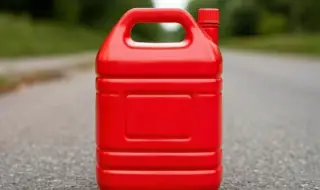
For years, drivers have been told that filling gasoline in a plastic can at a gas station is strictly prohibited and extremely dangerous. However, objective technical analysis shows that this belief is more of an outdated myth than a real threat to safety. You should know that the bans imposed by fuel sellers do not apply to specialized containers, but only to household packaging such as mineral water bottles or household detergent cans.
The main requirement for a container to be allowed to the pump is that it must be factory-designed for storing fuel and lubricants. These specialized containers are made of high-density polyethylene (HDPE) and must have the appropriate international marking and certification. Household plastics, in contrast, can dissolve under the influence of petroleum derivatives or be critically deformed.
The fears of a fire due to static electricity also do not stand up to modern engineering facts. Laboratory studies and observations by specialized automotive institutes show that there is not a single registered and confirmed case of ignition when using certified plastic cans. The polymer material used for their production contains special antistatic additives that prevent the accumulation of electric charge on the surface.
The most striking confirmation of the safety of plastic is the fact that the fuel tanks of practically all modern cars are made of specialized polymers, and not of metal. Certified cans undergo a series of strict durability tests, including dropping from a height and testing under high pressure. The only important rule for drivers remains not to fill the container to the very edge, in order to leave space for the natural expansion of gasoline vapors during temperature changes.