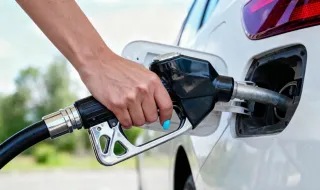
Fueling with fuel of compromised quality remains among the most serious risks to the longevity of any car engine. Injecting substandard gasoline or diesel sets off a chain reaction of damage that quickly strikes key components in the engine and exhaust system.
The first line of defense that takes the direct hit are the spark plugs. The presence of cheap additives and incomplete combustion form dense carbon deposits on the electrodes. This leads to interruptions in the operating cycle, loss of power and excessive vibrations at idle.
Immediately after them, the fuel injectors suffer. The accumulation of resinous deposits clogs the fine nozzles, spoils the injection geometry, and in more severe cases, the injector remains blocked in the open position, overfilling the cylinder with fuel.
Solid particles and moisture that get into the tank put the fuel filter and pump under extreme strain. The clogging prevents normal flow, which causes the pump to work at the limit of its capabilities and often leads to its burning.
The final destination of harmful components is the exhaust system. The excess sulfur and metal compounds in cheap fuels quickly destroy the catalytic converter and lambda probes. Their degradation leads to systemic errors in the control unit and costly replacement of the purification elements.
The savings of a few cents per liter on questionable items are completely unjustified compared to the financial blow of repairing the fuel system. Choosing proven gas station chains remains the surest prevention against unexpected and severe breakdowns at the service station.